Song Meaning
The lyrics paint a vivid picture of urban life from a street-level perspective. It's a place where people move fast and stick together, driven by a constant need to fight for survival. There's a palpable sense of community forged in the crucible of a demanding environment.
Beneath this gritty camaraderie lies a deep-seated frustration with the city's systemic exploitation. The narrator observes a "human breeding ground of exploitation" and a "rat race" where people "live off this country's waste." Yet, despite this harsh reality, a defiant spirit emerges with the declaration, "But I won't become jaded." This tension between oppressive forces and individual resilience defines the core emotional landscape.
The lyrics cleverly use the contrast between "us" and "them" to highlight class struggle. The "down here we" perspective stands against the unseen "their glass buildings," which are presented as symbols of the very "capitalism at its best" that fuels the city's exploitation. The provocative call to action, "So we should be throwing stones!", transforms passive observation into a revolutionary impulse, suggesting that change won't come without direct confrontation.
The power of these lyrics lies in their unflinching honesty and collective voice. The repeated "IN THE CITY" refrain grounds the narrative, emphasizing the inescapable nature of this urban existence. The final lines, "But none of us can leave here," encapsulate a shared sense of entrapment, yet it's an entrapment that seems to solidify the collective identity and fuel the defiant spirit, making the call for resistance all the more potent.
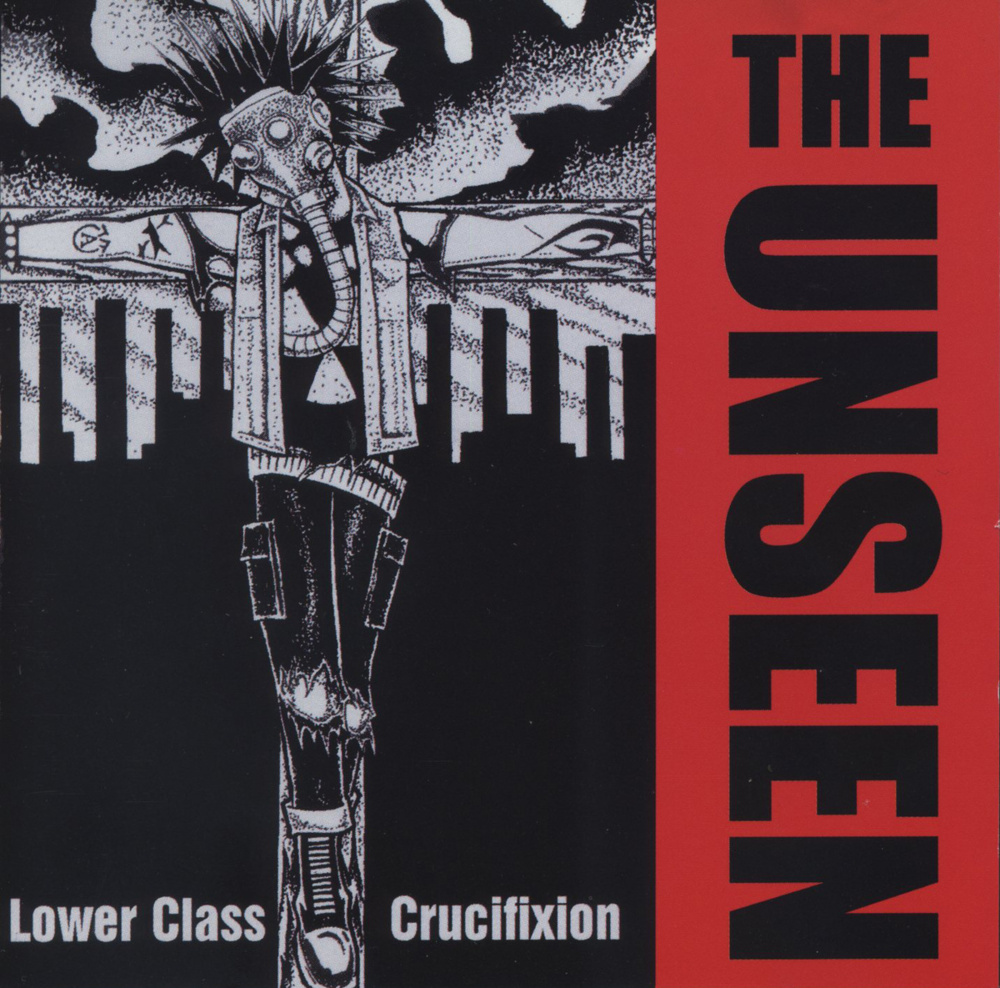
 View Artist