Song Meaning
These lyrics paint a vivid picture of a historical trade route, charting a course from the Baltic to the Byzantine Empire. The narrative follows Norsemen, or Varangians, on their ambitious journey, emphasizing the arduous nature of their travels. The repeated phrase "Forward to Miklagård" acts as a powerful refrain, underscoring the singular focus and relentless drive of these ancient mariners toward their distant, opulent destination.
The central tension lies in the contrast between the harsh realities of the journey and the glittering prize of Miklagård (Constantinople). The lyrics mention the "wide open Baltic Sea" and the struggle to pass "Aifur" on the Dnjepr, highlighting the physical dangers and obstacles. Yet, this hardship is juxtaposed with the promise of "silver and silk," suggesting a powerful motivation fueled by the allure of wealth and exotic goods.
The most striking element is the subtle shift in power and identity hinted at by the line "And the new master's name was the infamous Rus!" This phrase introduces a new dynamic, implying that the travelers are not just traders but also a force to be reckoned with, capable of establishing dominance. The mention of "Two thousand ships that sailed the Black Sea" further amplifies this sense of formidable presence, transforming the journey from a mere trade expedition into a display of significant power.
Ultimately, the effectiveness of these lyrics stems from their concise, declarative style and the evocative imagery they conjure. The simple, direct language, combined with the insistent repetition of the destination, creates a sense of epic scope and unwavering determination. The lyrics successfully convey the immense scale of this historical undertaking and the potent blend of peril and promise that defined the quest for Miklagård.
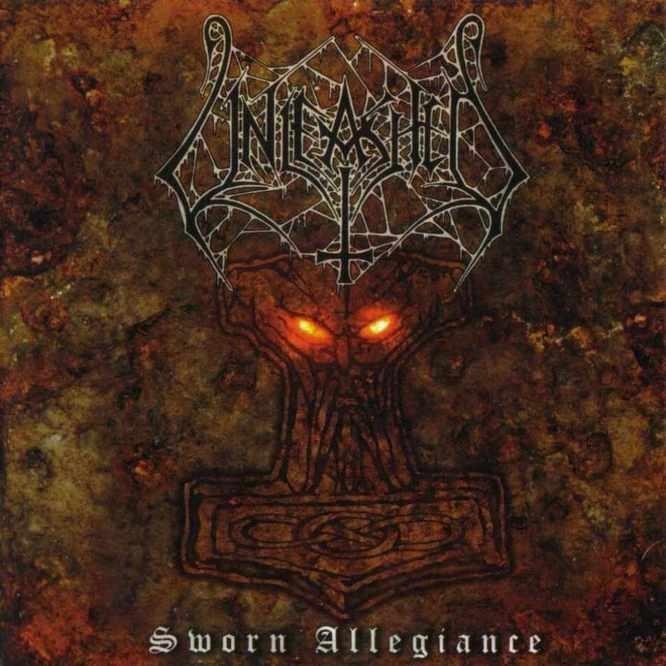
 View Artist