Song Meaning
The lyrics paint a stark picture of humanity's end, a post-apocalyptic landscape where the "feeble race" is no more. The opening lines immediately establish a sense of finality, declaring the "final war" has concluded and the "rule of man" is over, swallowed by time and sand. This sets a somber, almost elegiac tone for what follows, focusing not on survival, but on the aftermath of total collapse.
The central tension arrives with the repeated, almost defiant, declaration: "Long live the beast." This isn't a celebration of a new beginning for humanity, but an acknowledgment of something else taking over. The "beast" is positioned as the ultimate victor, the entity destined to "outlive us all," existing in the "final curtain call" of the human era. It suggests a cyclical view of existence, where one dominant force inevitably gives way to another, more enduring one.
The most striking craft element is the juxtaposition of utter devastation with the almost reverent "Long live the beast." The imagery of "silence in the air" and the "smell of death" creates a visceral sense of loss and emptiness. Yet, from this "aftermath," something new is "born." This birth isn't presented as hopeful for humans, but as the genesis of the successor, the "beast" that thrives where humanity failed. The repetition of the chorus hammers home this grim succession, solidifying the beast's inevitable reign.
What makes these lyrics hit so hard is their unflinching gaze at extinction and the rise of the non-human. The writing doesn't shy away from the bleakness, using simple, direct language to convey a profound sense of cosmic indifference. The power lies in the contrast between the end of everything known and the simple, enduring chant for the next dominant force, leaving the listener with a chilling sense of what comes after.
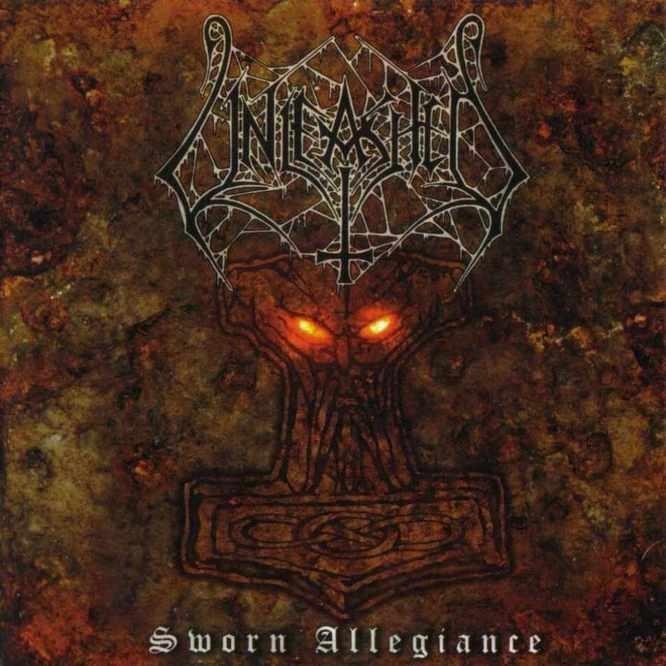
 View Artist