Song Meaning
The lyrics paint a stark picture of a narrator seemingly resurrected into a life defined by cold, sterile environments and a desperate, almost violent embrace of existence. The opening lines, "Я воскрес из удовольствий / Рядом мрамор хладных стен" (I resurrected from pleasures / Near the marble of cold walls), immediately establish a jarring contrast between past indulgence and present, unfeeling reality. This rebirth isn't gentle; it's a forceful act of self-preservation, where the narrator "грею своей кровью" (warm them with my blood) and "Краской пишу своих вен" (paint my veins with color), suggesting a raw, visceral commitment to simply being alive, even if that life is bleak.
The core tension lies in the paradoxical desire to live intensely while simultaneously contemplating oblivion. The repeated refrain "Жить, чтобы жить / Сдохнуть" (Live to live / To die) encapsulates this fatalistic drive. The narrator seems to be pushing against external or internal forces that would stifle this existence, as seen in the verse's imagery of hiding in a "могиле низкой" (low grave) and the "огрызок / Надежд на свет" (scraps / Of hope for light) being consumed by "моя шиза" (my madness). This suggests a struggle against despair and a self-destructive impulse that paradoxically fuels the will to live.
One of the most striking craft elements is the unsettling juxtaposition of tenderness and violence, particularly in the bridge: "Степлер нежно скрепит губы / Растянув до края щёк" (A stapler gently fastens the lips / Stretching to the edge of the cheeks). This image of a forced, permanent smile, achieved through brutal means, underscores the narrator's self-imposed fate. It's a chilling visual that speaks to a commitment to a facade, a mask of living that is physically painful and irreversible, "И навечно улыбнувшись / Я себя теперь обрёк" (And smiling forever / I have now doomed myself).
Ultimately, these lyrics resonate because they articulate a raw, almost animalistic will to exist in the face of profound bleakness and self-annihilation. The narrator's "resurrection" is not a hopeful new beginning but a grim acceptance of a life lived on the edge, fueled by a desperate, almost defiant energy. The stark imagery and the relentless repetition of the life-death paradox create a powerful, unsettling portrait of clinging to consciousness, even when that consciousness is steeped in despair and self-inflicted pain.
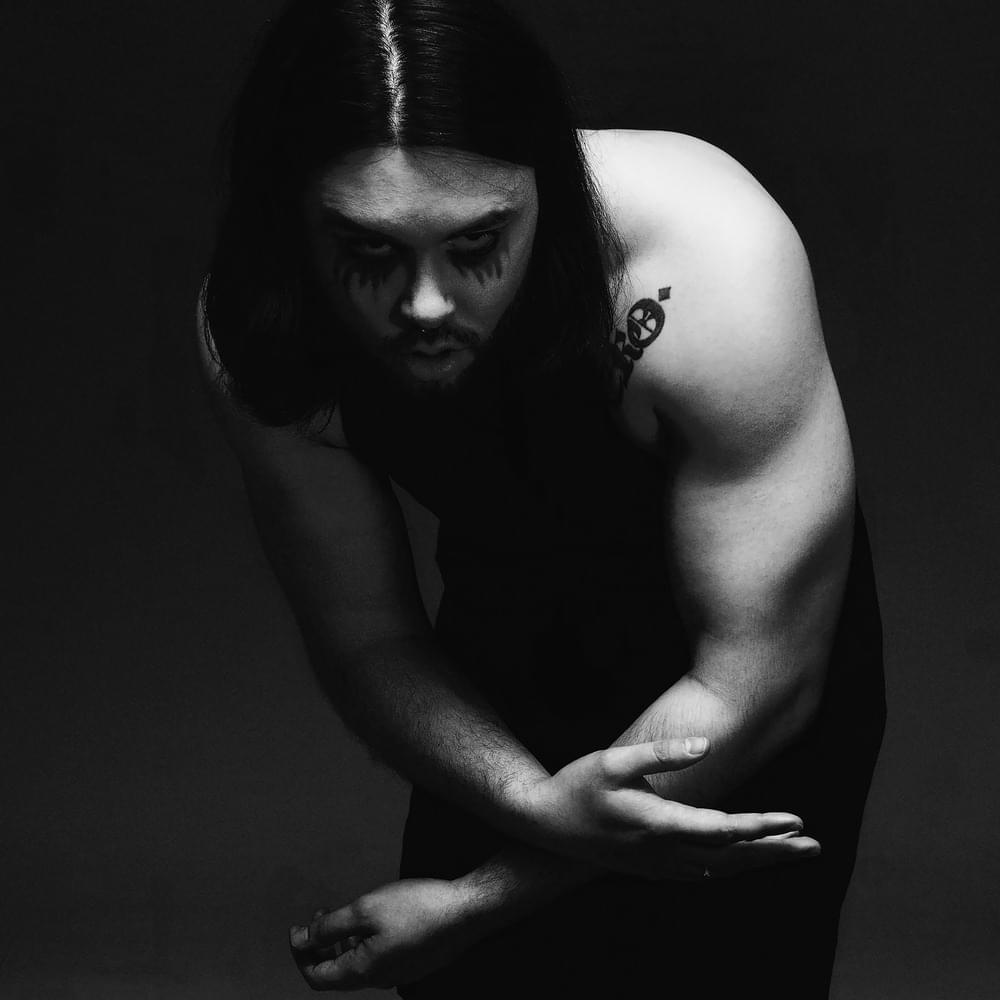
 View Artist