Song Meaning
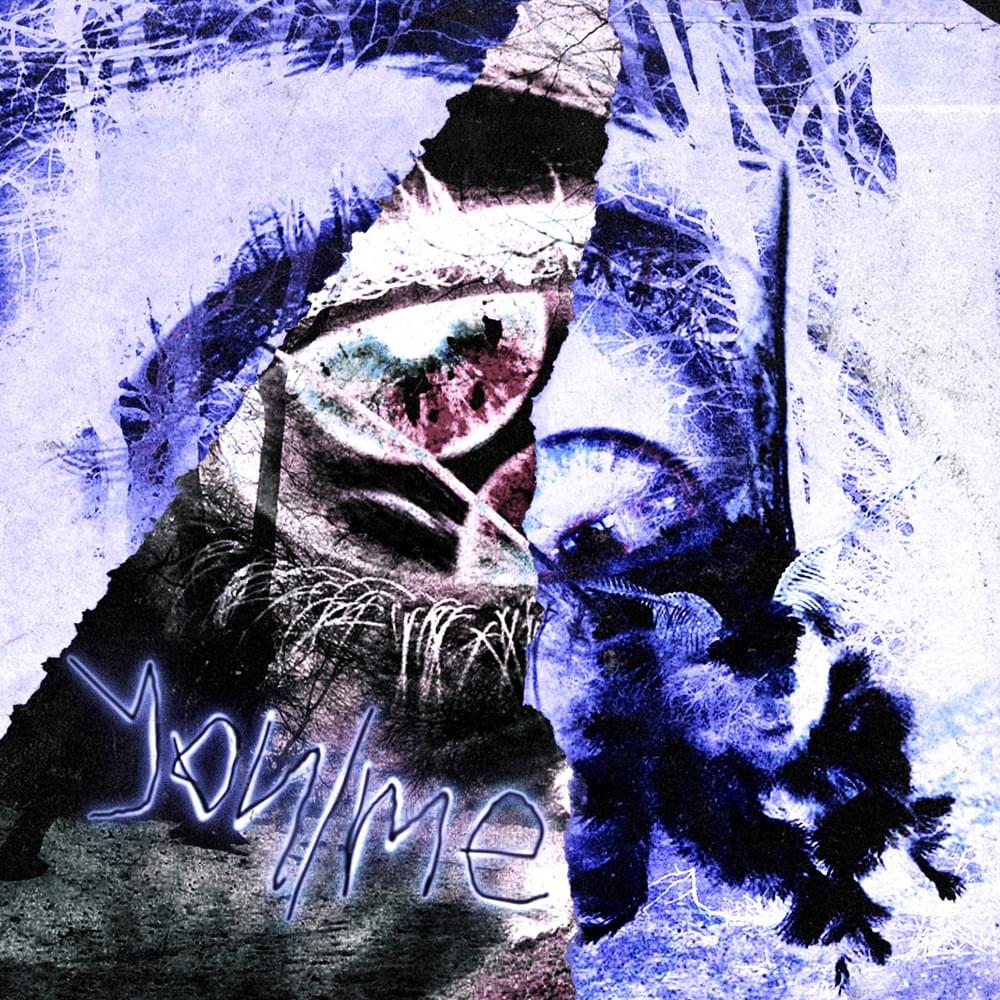
This track plunges into a primal, all-consuming conflict where only one side can possibly survive. The chorus hammers home this brutal dichotomy: "Либо ты, либо я!" (Either you, or me!). It's a stark declaration of a zero-sum game, stripped of nuance and demanding total victory. The subsequent lines, "Вооружись топором, размозжи-ка мой череп / И разрежь аргументом всё, во что я так верил!" (Arm yourself with an axe, smash my skull / And cut with an argument everything I believed in!), reveal the depth of this animosity. It's not just about physical annihilation, but the obliteration of deeply held convictions and identity.
The verses paint a visceral picture of this existential dread and the paranoia it breeds. The narrator describes "Слизь страха падает сверху" (Slime of fear falls from above) and "Чувство отчаянья" (A feeling of despair), creating an oppressive atmosphere. This fear is amplified by "бескостные угрозы" (boneless threats) from above, contrasted with the agitated "осы" (wasps) below, suggesting a pervasive sense of danger from all directions. The narrator's mind races, generating a "список претензий" (list of claims) and "Глупых причин для убийства лицензий" (stupid reasons for killing licenses), highlighting how fear distorts rational thought into a desperate search for justification for aggression.
The lyrics employ stark, aggressive imagery to convey the intensity of this struggle. The idea of using "Кости твои — материал на фундамент!" (Your bones – material for the foundation!) for a "Бойню построить" (to build a slaughterhouse) is particularly brutal, emphasizing the desire to utterly dismantle the opponent and build something monstrous from their remains. The narrator's justification, "Сделал бы также, если бы дали!" (I'd do the same if given the chance!), reveals a chilling pragmatism born from desperation, suggesting that in this extreme situation, morality is a luxury that cannot be afforded.
Ultimately, the power of these lyrics lies in their unflinching portrayal of absolute conflict and the psychological toll it takes. The relentless repetition of the chorus, coupled with the graphic, violent imagery in the verses, creates a suffocating sense of inevitability. It's a raw, almost primal expression of a situation so dire that compromise is impossible, and survival hinges on the complete eradication of the other. The narrator's willingness to embrace this brutality, even to the point of self-destruction through argument, underscores the desperate, all-or-nothing nature of the presented conflict.
 View Artist