Song Meaning
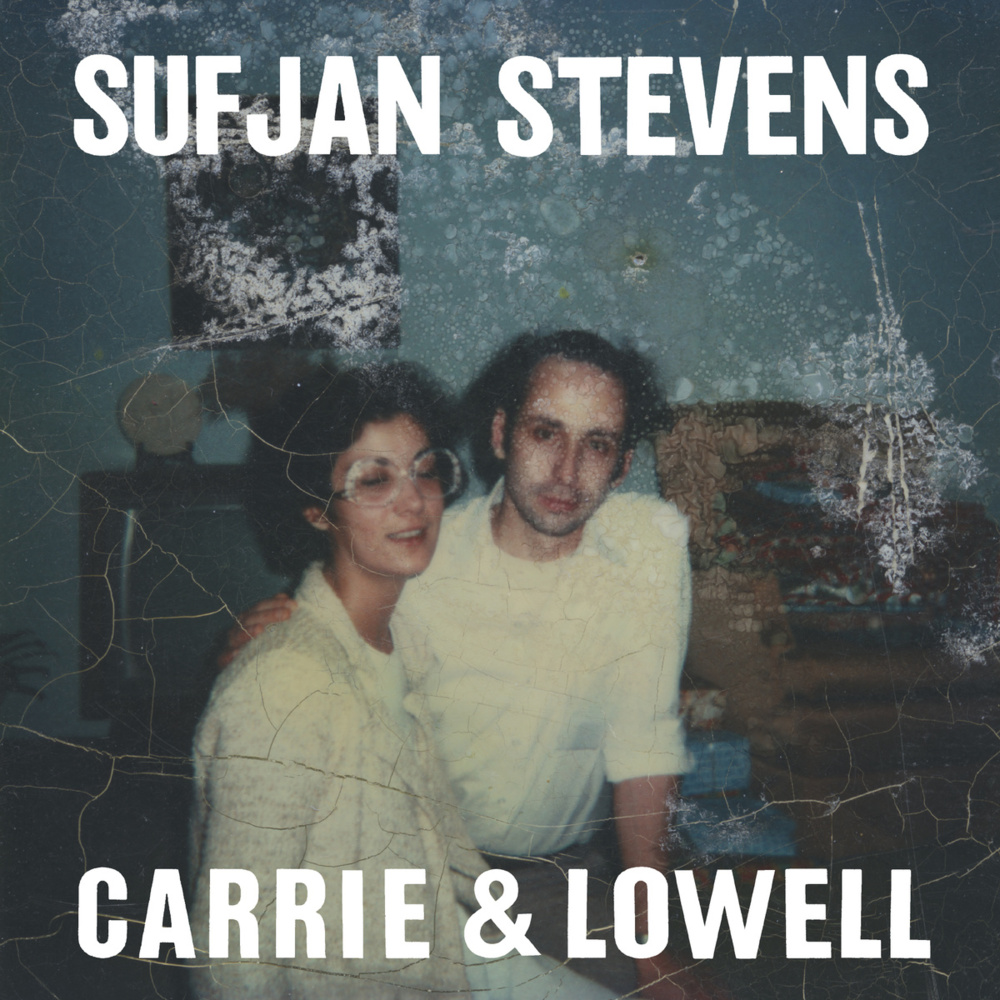
The lyrics paint a fragmented, dreamlike portrait of a past relationship, tinged with a profound sense of loss and disorientation. The opening lines, "Carrie and Lowell / Such a long time ago," immediately establish a distance, a hazy recollection of figures who feel both familiar and irretrievably lost. This sense of decay and futility is underscored by the stark, repeated image of a "dead horse," suggesting a situation or feeling that is beyond revival. The narrator grapples with memories that are both beautiful and disturbing, like "shadows and light conspiring" under a pear tree, hinting at a complex emotional landscape where innocence and unease coexist.
The central tension lies in the narrator's desperate attempts to reconcile with or understand these past figures and events. There's a plea in "Carrie, come home," juxtaposed with the unsettling mention of "Thorazine's friend," suggesting a struggle with mental health or addiction that created the distance. The recurring phrase "She breaks my arm" carries a visceral weight, implying a painful, perhaps even physically damaging, interaction that leaves a lasting mark. The narrator seems to be searching for solace or meaning, looking for a "lucky charm" amidst the wreckage of memory.
The lyrical craft is characterized by its evocative, almost surreal imagery and its abrupt shifts in tone. Phrases like "Drunk as a horsefly" and "Erebus on my back" create a disorienting sensory experience, mirroring the narrator's own confusion. The juxtaposition of "Season of hope (after the flood)" with "spurn my sorrow" highlights the difficulty of finding genuine optimism when haunted by past trauma. The lyrics don't offer a clear narrative but rather a series of potent, impressionistic moments that capture the raw, unresolved grief of looking back.
Ultimately, the effectiveness of these lyrics stems from their unflinching portrayal of memory's disarray and the lingering pain of absence. The fragmented structure and unsettling imagery refuse to provide easy answers, instead immersing the listener in the narrator's subjective experience of loss. The raw, almost confessional tone, combined with the striking, often jarring metaphors, creates a powerful emotional resonance that speaks to the difficulty of coming to terms with difficult pasts.
 View Artist