Song Meaning
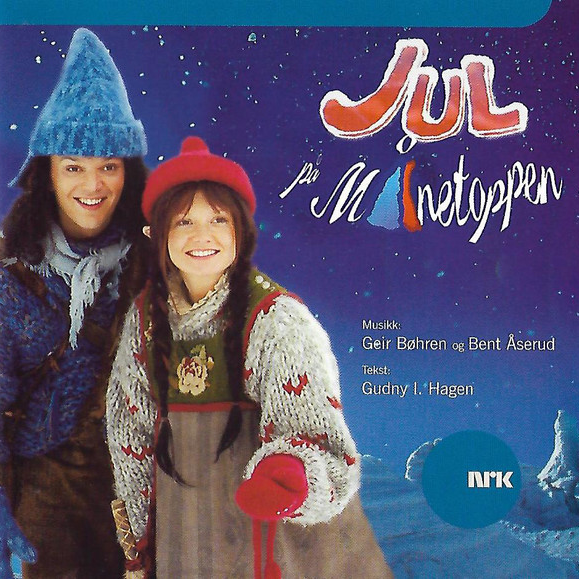
The lyrics paint a picture of someone struggling to live up to an idealized image, specifically that of a capable 'nisse' (elf or Santa Claus figure). The narrator admits, "Jeg er ingen flink liten nisse" (I am no good little elf), immediately establishing a tone of self-deprecation and unmet expectations. This isn't about a literal Christmas elf, but a metaphor for competence and success in a role that feels important, perhaps dictated by "nissemamma" (elf mom).
The central tension lies between the desire to be a skilled and impressive 'nisse' and the consistent failure to achieve this. The narrator laments that attempts to "nisse en strek som er god" (do a good trick/deed) only result in "tøys og tull" (nonsense and mess). The fear of inadequacy is palpable, symbolized by the "langlue" (long hat) becoming "full av hull" (full of holes) if the narrator isn't "kjempelurt" (super clever) enough. This suggests a deep-seated anxiety about failing to meet perceived standards.
The repeated phrase "tøys og tull" and "full av hull" acts as a refrain of failure, hammering home the narrator's perceived incompetence. The imagined grand achievements – the "verdens største nissestrek" (world's biggest elf trick) or "nissepek" (elf prank) – highlight the vast gap between aspiration and reality. The fantasy of going "helt alene til fjells" (all the way alone to the mountains) or "helt til havet" (all the way to the sea) represents a desire for independence and mastery, a stark contrast to the current state of fumbling.
Ultimately, the effectiveness of these lyrics stems from their relatable portrayal of performance anxiety and the pressure to impress. The simple, almost childlike language, combined with the recurring imagery of holes and messes, creates a poignant picture of someone feeling fundamentally incapable, despite a strong desire to be otherwise. The imagined reactions of "nissemamma" – becoming "passe blek" (rather pale) – underscore the weight of familial or societal expectation on the narrator's self-worth.
 View Artist