Song Meaning
The lyrics paint a stark picture of loneliness and longing, set against the backdrop of a fading moonlight. The narrator is grappling with the abrupt departure of a loved one, questioning the sincerity of their past declarations of love. This immediate emotional texture is one of raw vulnerability and confusion, a desperate plea for return echoing in the quiet of the night.
The central tension lies in the contrast between the stated love and the act of leaving. The narrator directly asks, "Said you love me / Why'd you leave me," highlighting a painful disconnect between words and actions. This bewilderment fuels the core of their distress, making the absence feel even more profound and the desire for reunion more urgent.
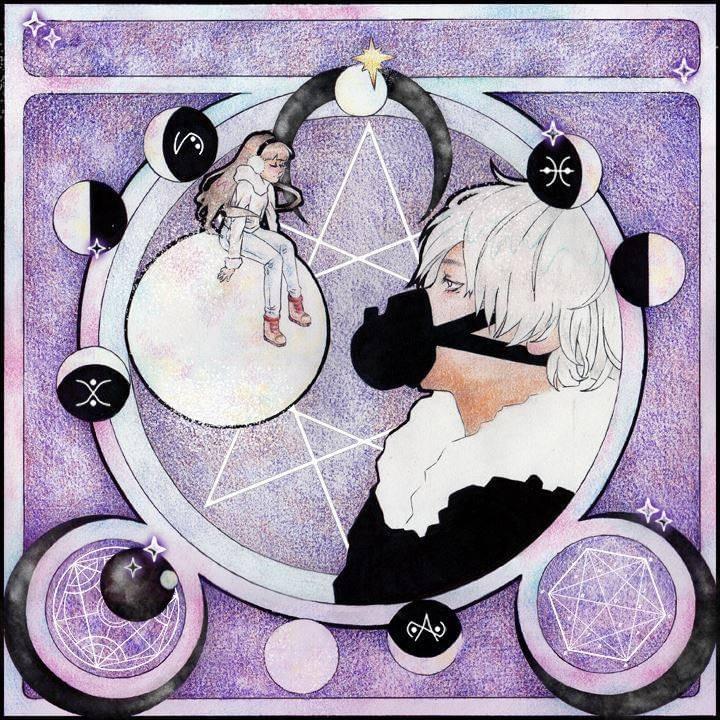
A particularly striking element is the interweaving of Korean phrases, "보고 싶어" (I miss you), "아파도" (even if it hurts), and "미안해요" (I'm sorry), alongside the English. This linguistic blend suggests a deeply personal and perhaps bicultural context for the heartbreak, adding layers of cultural nuance to the universal themes of loss and regret. The phrase "저 달빛속에서 저 / 어둠속에서 너를 느껴" (In that moonlight, in that darkness, I feel you) further emphasizes this spectral presence, a connection felt only in absence.
What makes these lyrics hit so hard is their unvarnished emotional honesty and the specific imagery of moonlight as a witness to this pain. The repetition of "feel so alone" and the plea "please comeback to me" underscore the depth of the narrator's isolation. The final realization, "너를 느껴 사라져 버린 / 후에야..." (I feel you only after you've disappeared...), is a poignant, almost melancholic acceptance that the presence is now only a memory, felt most acutely in the void left-behind emptiness.