Song Meaning
This track paints a picture of a love that's fading, leaving the narrator feeling lost and resigned. The verses establish a sense of gradual disappearance, a slow unraveling of self. The narrator longs for a smile they can no longer see, signaling a profound sense of loss and finality. It's a quiet surrender to an inevitable end.
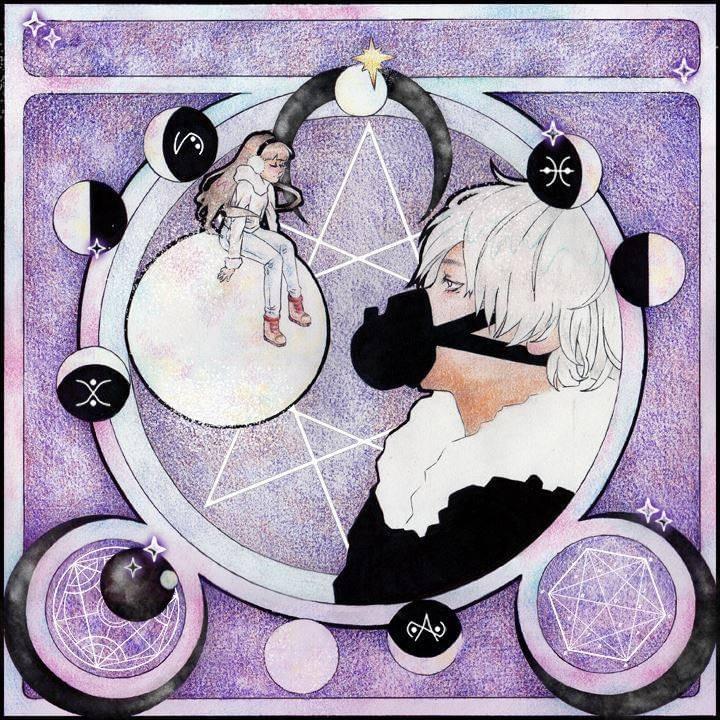
The central tension lies in the narrator's struggle to let go while simultaneously acknowledging the futility of holding on. The pre-chorus reveals a painful acceptance: if the other person wants to leave, they cannot be forced to stay. This leads to the poignant plea to be left alone, specifically "under the moonlight," a setting that feels both romantic and melancholic, perhaps highlighting the isolation of this moment.
The most striking element is the recurring phrase "iwanan mo na ako sa ilalim ng buwan." This isn't just a request to be left; it's a specific, almost ritualistic, act of abandonment under a symbolic sky. The moonlight, often associated with romance and dreams, here becomes a backdrop for heartbreak, emphasizing the loneliness of the narrator's plight. The bridge further solidifies this, stating "hindi mo na maibabalik" (you can no longer bring back) what was lost, underscoring the irreversible damage.
The effectiveness of these lyrics stems from their raw, understated emotional honesty. The narrator isn't raging against the dying of the light but quietly observing its dimming. The imagery of fading and the simple, direct statements of loss create a palpable sense of resignation. The final line, "kaya ko pa---unting unti nang susuko" (I can still---slowly, I'm giving up), perfectly captures the bittersweet feeling of finding the strength to finally let go, even as it hurts.
 View Artist