Song Meaning
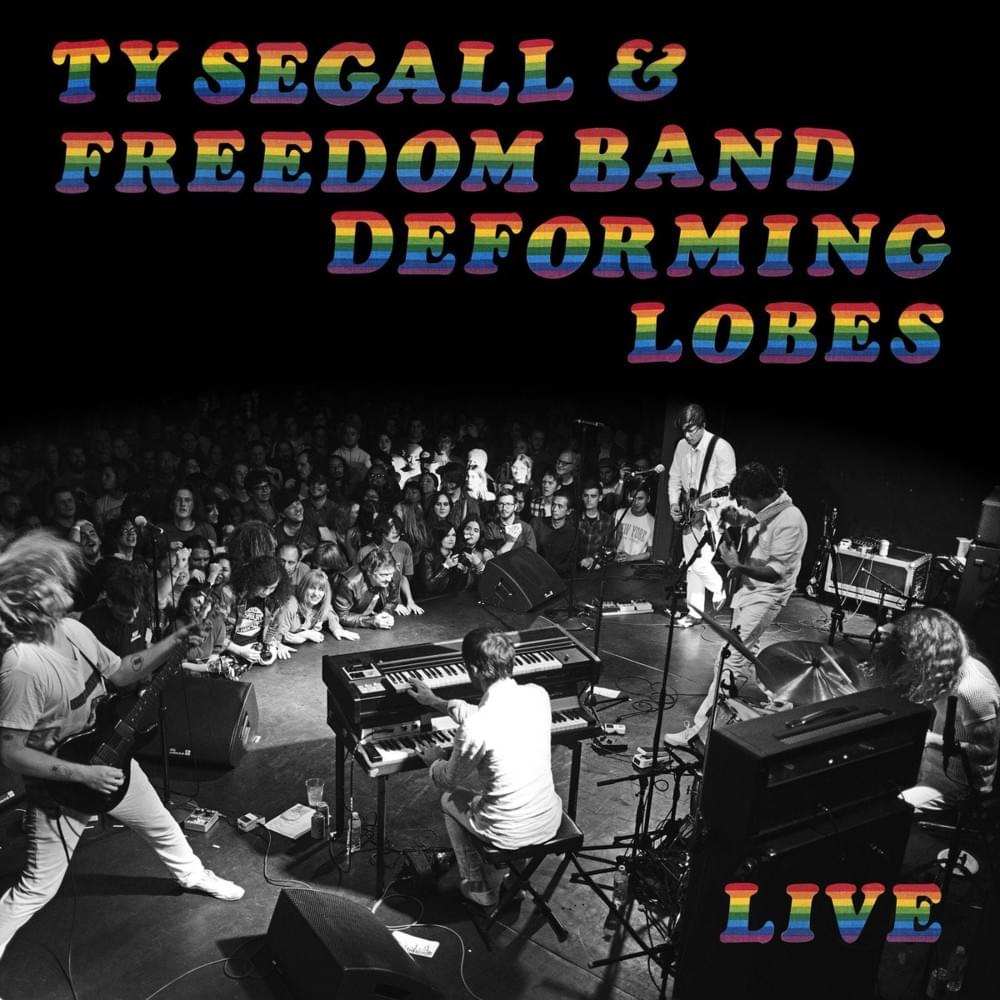
Ty Segall's "They Told Me Too," especially in this raw live version from the Teragram Ballroom, feels like a transmission from the frayed edges of consciousness. The initial promise of a transcendent space—"I know a place / That is so fine / It is so simply / Divine"—is immediately undercut by a chorus of dissenting voices. This isn't just about second-guessing; it's about the insidious way external opinions can poison even the purest experiences. The titular phrase, "They all told me too / Too much of ya," becomes a mantra of doubt, suggesting an overwhelming pressure to conform, to dilute oneself for the comfort of others. What begins as a personal revelation quickly devolves into a battleground between the self and the expectations projected onto it. The sparseness of the lyrics only amplifies the internal conflict.
The image of "a man / Made out of paper" residing in the speaker's head is particularly striking. This figure, fragile yet influential, embodies the manufactured nature of these intrusive thoughts. He's not an authentic voice, but a construct, a representation of societal pressures and anxieties. The fact that this paper man *said* something reinforces the idea that the negativity is externally sourced, a pre-packaged set of criticisms implanted in the mind. The repetition of the refrain emphasizes the cyclical nature of self-doubt, how easily these borrowed anxieties can take root and fester. Segall's delivery, particularly in a live setting, likely injects a palpable sense of urgency and unease into this already tense dynamic.
The song's conclusion, "I can't see you / I can't show you / I can't tell ya," speaks to the isolating effect of this internal conflict. The speaker is rendered incapable of genuine connection, unable to share their experiences or express themselves freely. This inability to "see," "show," or "tell" suggests a profound disconnect from both the external world and the speaker's own authentic self. The song meaning ultimately hinges on this struggle: the battle between personal truth and the suffocating weight of external judgment, a battle that plays out within the confines of the mind.
 View Artist