Song Meaning
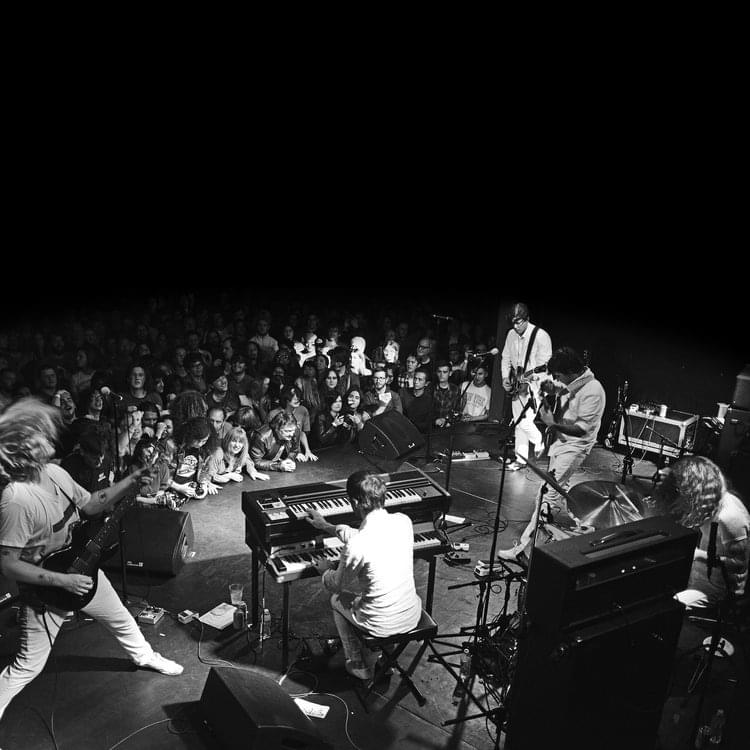
Ty Segall's "Love Fuzz," especially heard in this live iteration from the Teragram Ballroom, isn't so much a complex narrative as it is a primal scream of affection, distilled to its most basic components. The lyrics, almost painfully simple, repeat affirmations of beauty and the transformative power of love. It's a relentless, cyclical mantra: "You're a pretty, pretty one / You're lovely, lovelier than the sun." The genius lies not in lyrical complexity, but in the raw, unadulterated delivery and the sonic texture surrounding it. Segall uses repetition to hypnotize, creating a feedback loop of adoration that mirrors the obsessive nature of infatuation itself.
The phrase "Love Fuzz" itself is key to unlocking the song's meaning. "Fuzz," in the context of music, refers to a distorted, overdriven sound. It's a sonic representation of something pure being pushed to its limits, almost breaking under the strain of its own intensity. In this context, "Love Fuzz" suggests that love, while beautiful and transformative ("You help me, help me see / How lovely your love can be"), is also inherently messy, chaotic, and overwhelming. It's not a sanitized, romanticized version of love, but something visceral and almost dangerous. The live setting amplifies this, with the energy of the performance adding another layer of distortion to the already frayed edges of the song.
Ultimately, "Love Fuzz" is about the intoxicating and disorienting experience of being completely consumed by another person. It's a celebration of the raw, unfiltered emotion that can both elevate and destabilize us. The simplicity of the lyrics belies the depth of the feeling, capturing the way love can reduce us to our most primal selves, stripped of pretense and operating purely on instinct. Segall isn't offering a polished love song, but a sonic embodiment of the feeling itself: messy, loud, and undeniably powerful. The live version underscores this, suggesting that love, like a great rock show, is best experienced in its most uninhibited form.
 View Artist