Song Meaning
The lyrics open with a striking image: a ship sailing "all in tears" under a "black flag." This immediately sets a melancholic, almost ominous, scene, yet it's quickly undercut by the playful, rhythmic "Ajda, ajda opajda" refrain. It's a vivid snapshot of a sailor's life, tinged with both sorrow and a resilient, almost defiant, spirit.
The core tension here lies between the initial somber imagery and the boisterous, often humorous, promises that follow. The "black flag" and the lament that "no more drops of wine" remain—ironically, "drank it all to save it"—suggest a journey marked by hardship or revelry. Yet, the sailor's thoughts are firmly on Marica, urging her to "be good to your sailor," implying a longing for faithfulness amidst his absence.
The lyrics masterfully blend earnest declarations with a charming, almost self-deprecating humor. The sailor promises, with "sailor's honor," to marry Marica upon his return, to "kiss you, God forgive," and to "pinch you out of fondness." This mix of piety, physical affection, and a touch of playful roughness defines his character. The promise of "four sons... both handsome like their dad" is a delightful, impossible math joke that humanizes his grand aspirations.
What makes these lyrics resonate is this dynamic interplay: the traditional folk chant of "Ajda, ajda opajda" anchoring the narrative, while the sailor's voice shifts from wistful longing to bold, almost commanding, promises. He ends by telling Marica to "sew your dowry" because he's "coming back on Saturday," a final, confident assertion that ties his adventurous life at sea to a very grounded, domestic future. It's a vivid portrayal of a character who is both a romantic dreamer and a practical, if slightly mischievous, man of his word.
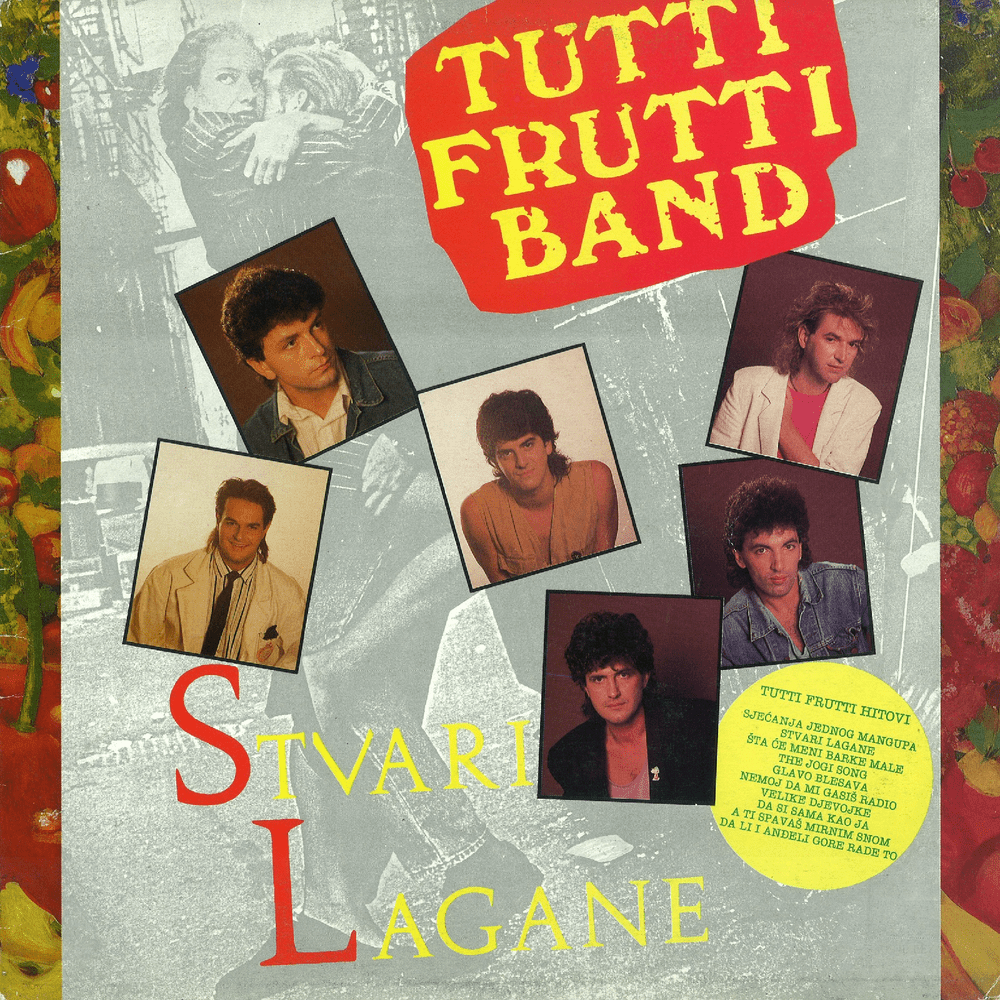
 View Artist