Song Meaning
The lyrics paint a vivid picture of a lingering obsession, even after a relationship has ended. The narrator fixates on the mundane details of their former lover's life, asking who is now taking them home after the music stops, who will lock up their place, and who will touch them intimately. This isn't about genuine concern; it's a desperate attempt to maintain a connection, however painful.
The central tension lies in the narrator's proclaimed indifference versus their undeniable emotional investment. They insist, "Bas me briga" (I don't care), yet immediately follow with a list of conditions that reveal the opposite. The desire for their name not to be spoken, for their former lover's dress not to fall because of them, and for no tears to be shed in the morning all point to a deep-seated, almost spiteful, attachment. This is a love that curdles into "inat," or spite, a defiant refusal to let go.
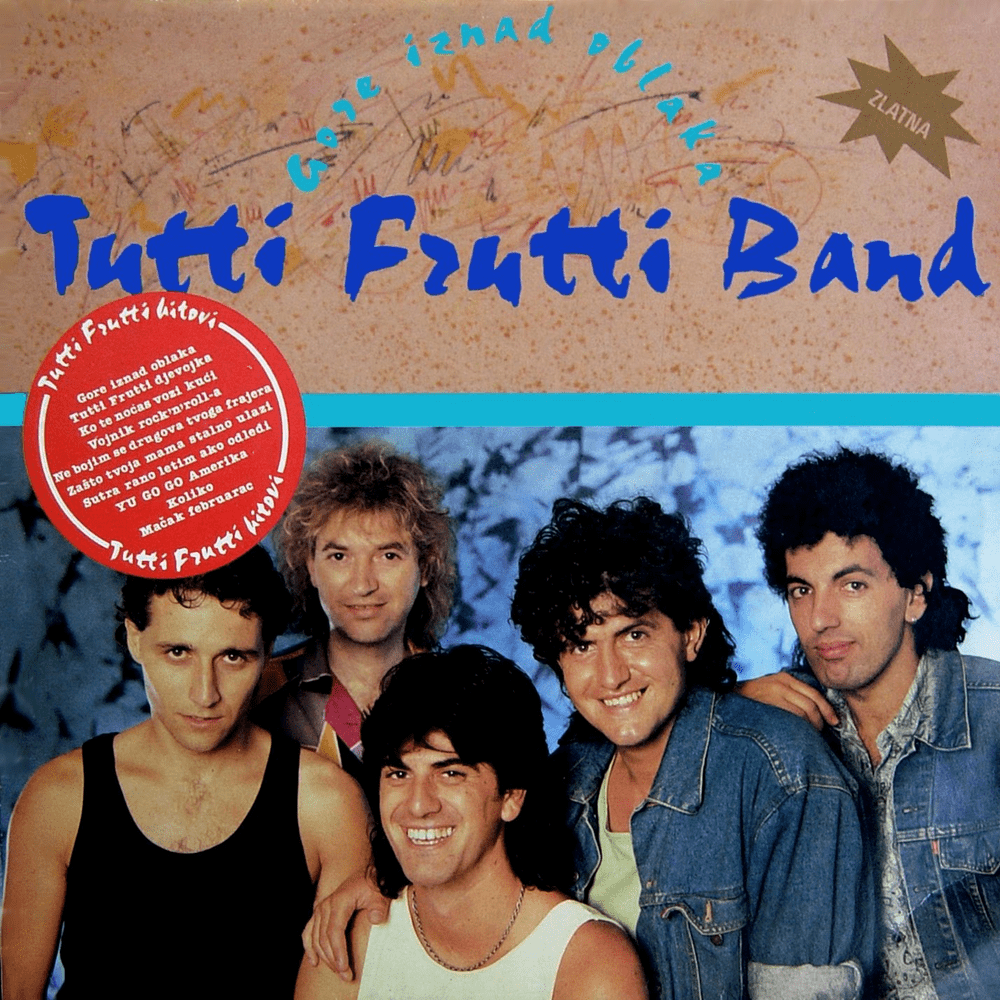
The most striking craft element is the stark contrast between the narrator's outward declaration of not caring and the intensely personal, almost possessive, questions they pose. The repetition of "Ko te nocas vozi kuci" (Who is driving you home tonight) hammers home the narrator's inability to escape these thoughts. The plea for the former lover's independence – "I da ti haljina ne padne zbog mene" (And may your dress not fall because of me) – is a twisted form of care, a desire for the other person to move on, but only if it doesn't involve forgetting the narrator entirely.
These lyrics resonate because they capture the messy, irrational aftermath of heartbreak. The narrator's internal conflict is palpable: they want to be free of the pain, but they also can't bear the thought of being completely erased. The specific, almost voyeuristic, details of the questions – who turns the key, who touches them – make the narrator's lingering presence feel both pathetic and intensely human. It's the raw, unvarnished truth of wanting to be remembered, even if it hurts.
 View Artist