Song Meaning
The lyrics paint a stark picture of a relationship's unraveling, beginning with a gentle, almost domestic scene. In the morning's "small light," he attempts to leave, uttering a simple "Viss..." (Everything...). Yet, she coaxes him back, "singing" him further into the moment. This pattern repeats: he tries to depart again, pleading, "Iet nu ļauj..." (Let me go now...), but she persuades him with a "tight, tight hug." The tension is palpable as his gaze drifts towards the door, a silent signal of his intent to escape, met by her soft smile and a dismissive "Beidz..." (Stop...).
The narrative takes a sharp turn as the clock strikes ten. He decisively gets up and leaves, no longer hearing her plea to "stay a little longer." A year later, his return is met with a locked door. From within, a voice sings – a "very low voice," described as "low and rough," which unsettles him. This is the crucial turning point; the sound triggers a violent reaction.
Driven by this disturbing sound, he "burst through the door" and "stabbed on the spot" the unseen singer. His partner then "snuggled up to him," remaining silent. The final lines offer a chilling, almost fatalistic justification: "Because it was night, and at night, as is known, everyone steals." This abrupt, brutal conclusion suggests a deep-seated, perhaps irrational, possessiveness and a violent response to perceived threats or intrusions, framed by a dark, opportunistic view of the night.
The effectiveness lies in the stark contrast between the initial tender, domestic scenes and the sudden, shocking violence. The repetition of his attempts to leave and her subtle, then forceful, resistance builds a quiet dread. The introduction of the "low and rough voice" acts as a catalyst, transforming the narrator's internal conflict into external, deadly action. The final, cynical observation about the night and stealing serves not as an excuse, but as a grim, almost nihilistic commentary on the events, leaving the listener with a sense of profound unease and the unsettling finality of his actions.
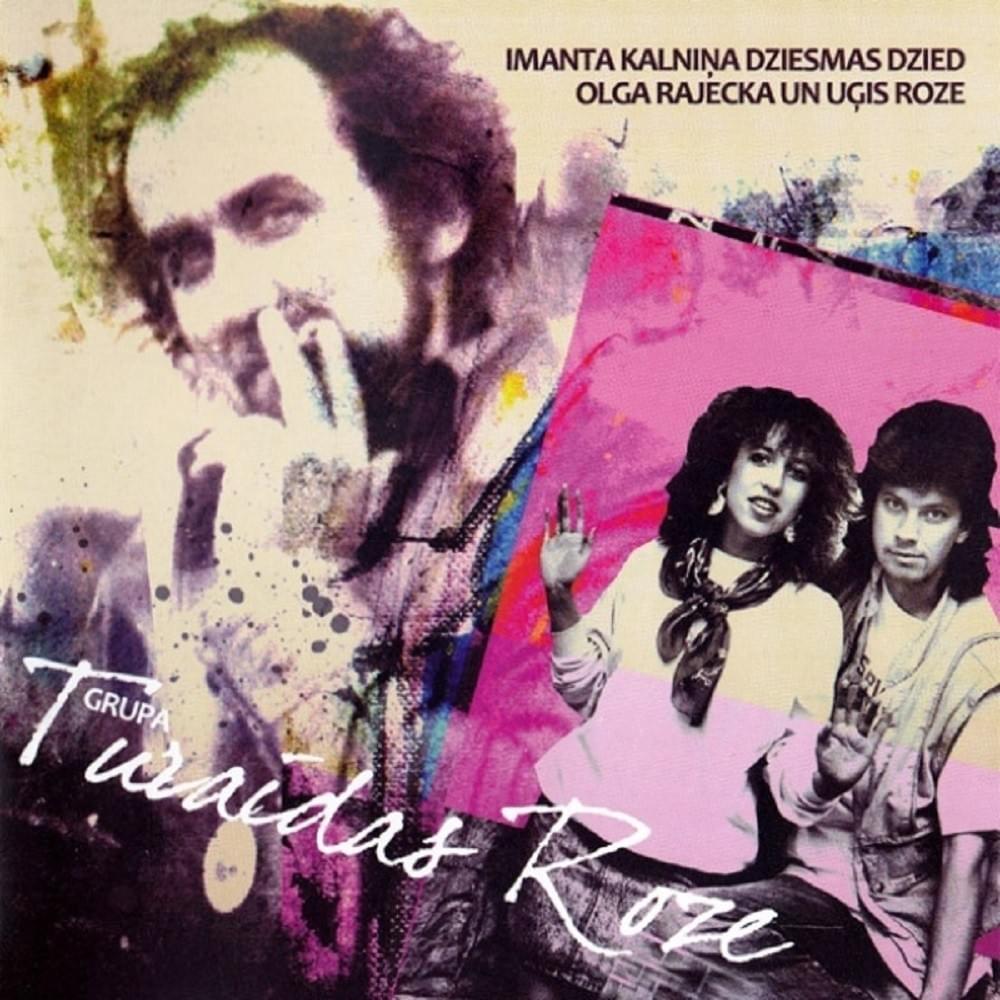
 View Artist