Song Meaning
These lyrics open with a stark, repeated warning: "Nelaid, māte, bērnus mežā" (Don't let, mother, children into the forest). The forest is immediately painted as a place of danger, where "odzes slīd" (vipers slither). This establishes a clear, immediate sense of foreboding and a protective instinct.
Yet, the danger isn't just external; it's alluring. The vipers' "acis spīd" (eyes shine), and the children, a "meita dzird, un dēls jau ausās" (daughter hears, and son already pricks up ears), are drawn to this forbidden place. The lyrics suggest an inevitable pull, a siren song that will "aizvilinās prom no mājām" (lure away from home), with the chilling consequence that they "var nepārnākt" (might not return).
The most unsettling shift occurs as the lyrics predict a profound transformation. The daughters will grow "tā kā odzes / Acīm spīdošām" (like vipers / With shining eyes), eyes once belonging to "Laimes raganām" (witches of fortune). The sons, too, will become like vipers, "sīksti dvēselē" (stubborn in soul). This isn't just a physical journey; it's a metamorphosis of identity, where the children embody the very wildness and danger they were warned against.
The final lines deliver a powerful, resigned blow. Despite the warnings and the mother's fear, the lyrics declare, "Bet tas mežs, kas tālē gaida / Māt, tas viņu ir" (But that forest, which waits in the distance / Mother, that is theirs). This acknowledges an inherent, untamable destiny, suggesting that some paths are simply meant to be, regardless of parental caution. It's a gut punch of inevitability, a recognition that children, like the wild, will ultimately claim their own domain.
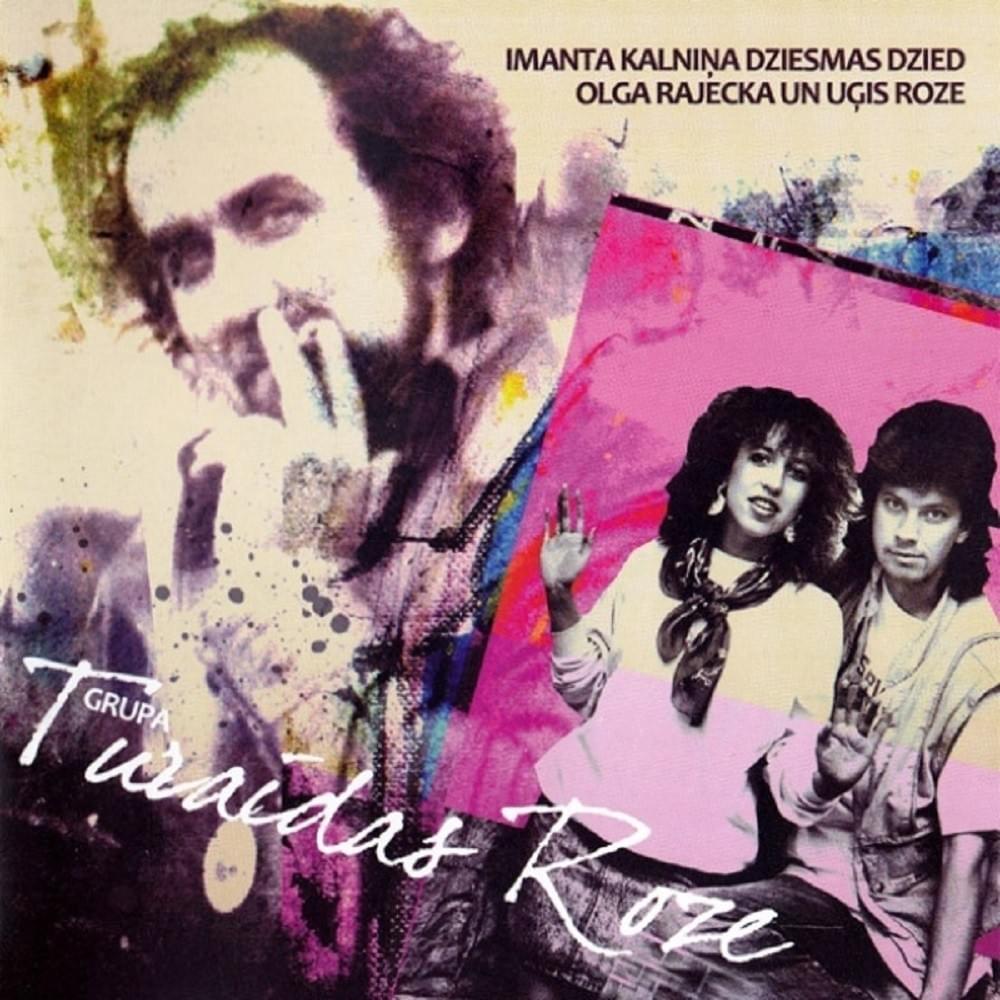
 View Artist