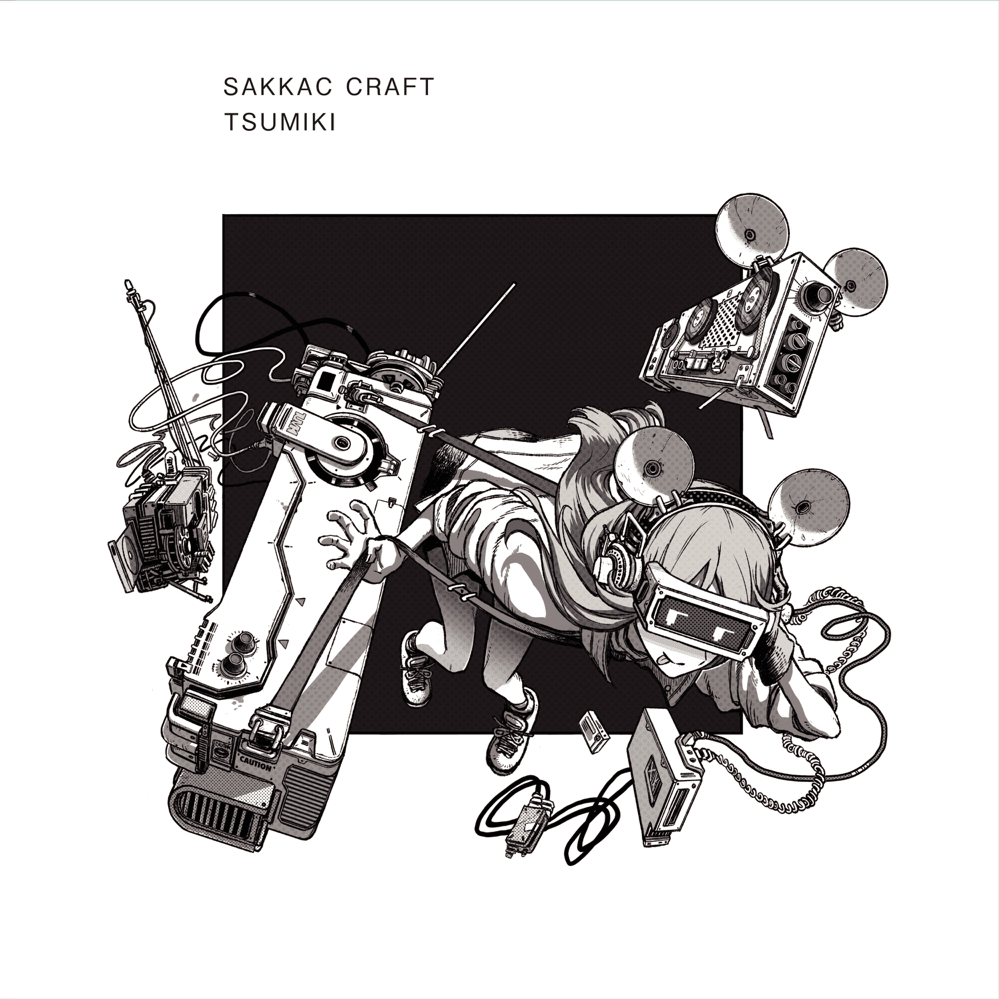
Song Meaning
The song opens with a stark "Sound check, 1, 2," immediately establishing a performance context, but quickly pivots to a desperate plea for existence: "Can you hear it, my anthem of self-affirmation?" The narrator feels consumed by the passage of time, describing December's "collapse" as being "eaten by two inside the cuffs." This imagery suggests a feeling of being trapped and devoured by the mundane, a stark contrast to the grand "anthem" they are trying to project. The game is described as "lightning and morning dew," hinting at its fleeting and perhaps illusory nature.
This sets up a central tension between the desire for recognition and the crushing reality of anonymity and self-doubt. The narrator grapples with their own identity, asking "How am I, how am I?" and feeling like they've "greedily stuffed" something "rotten." The pre-chorus intensifies this, with a sense of disorientation: "Dancing in the air, holding a gun, I'm already dizzy!" This is followed by a direct accusation of blame: "Breakdown. Who is suspecting it's my fault?" This internal conflict is amplified in the second verse, where the narrator, now twenty-three, feels defined by "the clock and love," and their "anonymous music" carries a "performance of breeding." They feel lost in a "maze of scattered trash."
The chorus reveals a profound sadness and a transactional relationship with expression: "Becoming sad, selling words, becoming a pair of lonely figures with my breath." The narrator feels trapped in a dreamlike state, waiting for an ending, and declares a "farewell! to the desperate happy end." The rejection of applause, "Clap hands are unnecessary!" underscores a deep-seated alienation from the audience and the performance itself. This feeling of isolation is echoed in the bridge, where the narrator becomes "a lonely figure behind the curtain" and asks to be remembered, even as memories fade.
What makes these lyrics so potent is the raw vulnerability laid bare against the backdrop of a performance. The contrast between the desire for an "anthem" and the reality of selling words for breath, the desperate search for a place to go, and the ultimate rejection of external validation creates a powerful portrait of an artist struggling with their own existence and the ephemeral nature of their work. The repeated plea, "Who is suspecting it's my fault?" and "Who is wrong?" highlights a profound self-blame and confusion that resonates deeply, making the final, defiant "Clap hands are unnecessary!" a cry of both despair and self-preservation.