Song Meaning
The lyrics paint a picture of desperate waiting and a profound sense of being lost. The narrator implores someone to "come down off your throne," suggesting a plea to a figure of authority or perhaps a detached lover, urging them to abandon their elevated position and engage with reality. This plea is directly linked to the narrator's own prolonged anticipation, stating, "You are the reason I've been waiting so long." There's a palpable sense of urgency, as if a crucial moment or decision hinges on this other person's action, with the cryptic assertion that "somebody holds the key."
The central tension arises from this dependency and the narrator's deteriorating state. The chorus reveals a stark contrast between the need for action and the narrator's current condition: "near the end," lacking time, and feeling "wasted." This feeling of being lost is amplified by the repeated, almost mantra-like declaration, "I can't find my way home." It suggests a deep disorientation, a loss of bearings in a situation that feels inescapable.
The most striking aspect is the juxtaposition of external blame and internal collapse. While the narrator waits for someone else to act, their own state deteriorates to the point of being "wasted." The repeated plea to "leave your body alone" could imply a spiritual or emotional detachment in the person being addressed, or perhaps a plea for them to stop controlling or influencing the narrator's own being. The outro's insistence on innocence, "And I ain't done nothing wrong," clashes powerfully with the overwhelming feeling of being lost and unable to return, hinting at a situation where the narrator feels unfairly trapped despite their perceived lack of fault.
This lyrical construction is effective because it taps into a universal feeling of being stuck, waiting for external validation or action while simultaneously experiencing personal decline. The simple, direct language of the chorus, especially the phrase "can't find my way home," resonates deeply, conveying a sense of profound displacement and helplessness. The repetition in the outro hammers home this feeling, making the narrator's plight feel both immediate and inescapable, even as they maintain their innocence.
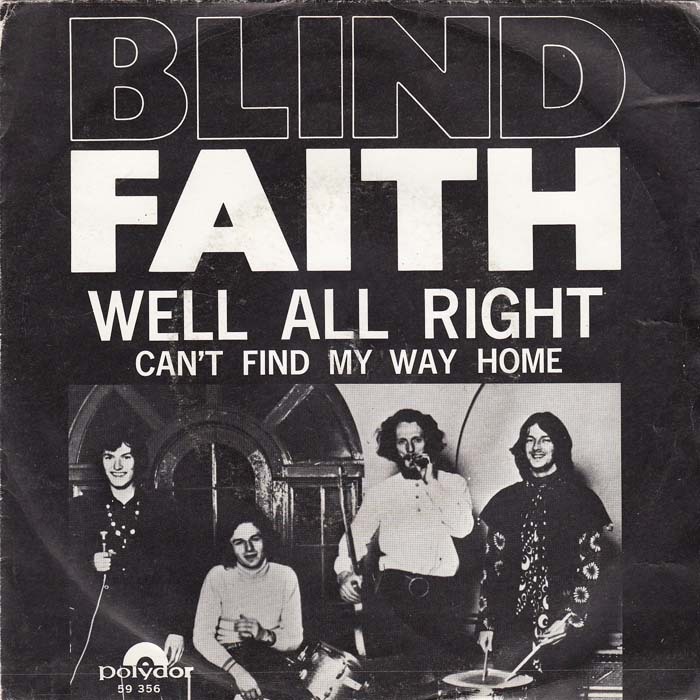
 View Artist