Song Meaning
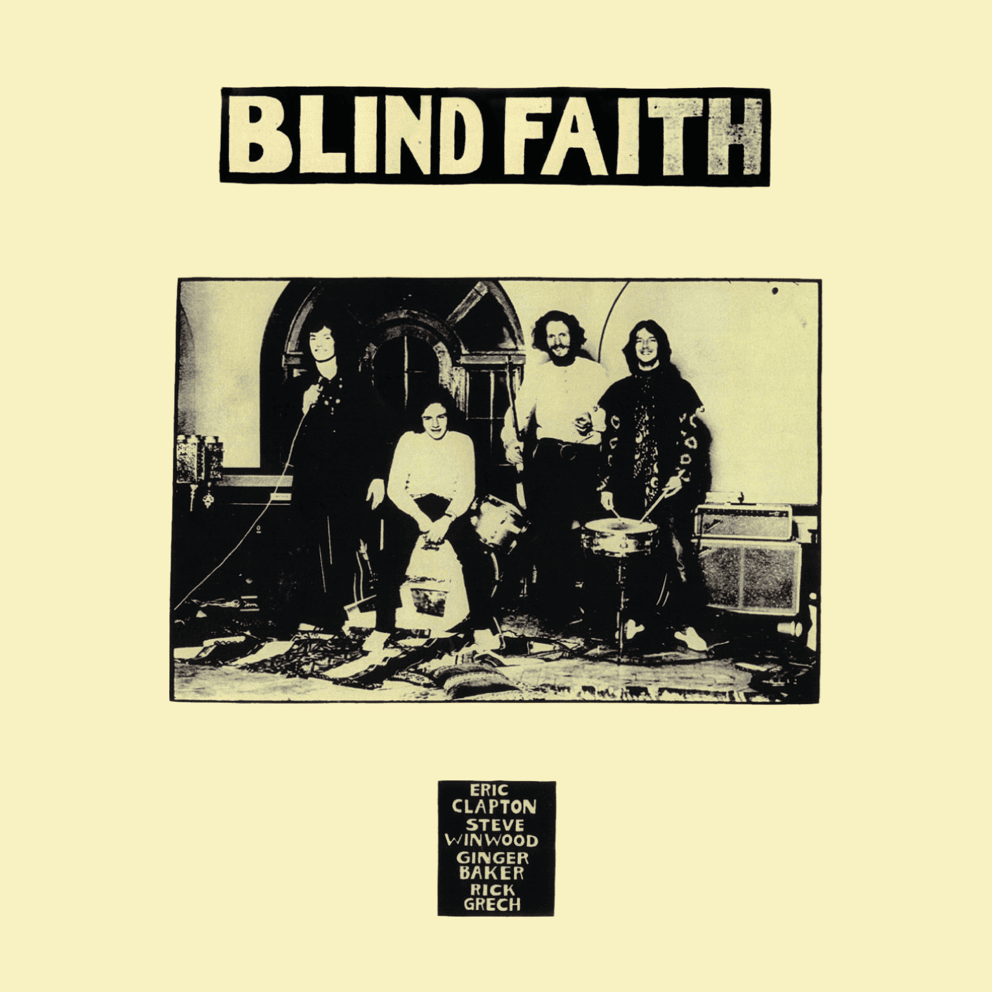
{"song_id": 13419323, "meaning": "Eric Clapton's \"Presence of the Lord\" isn't just a hymn; it's a raw confession of spiritual awakening, rendered with the bluesman's trademark vulnerability. Stripped of dogma, the song's meaning resonates in its simple, almost childlike declarations. The repeated lines, \"I have finally found a way to live / Just like I never could before,\" speak to a profound shift in perspective, a shedding of old skins and the embrace of something larger than the self. The \"door\" metaphor hints at newfound possibilities, access to realms previously locked away by doubt or despair. It's a door opened not by force, but by faith. Clapton isn't preaching; he's testifying.
The pre-chorus, \"Everybody knows the secret / Everybody knows the score,\" is arguably the most intriguing element lyrically. It suggests an inherent, universal understanding of this spiritual truth, a knowing that transcends language and belief systems. It's a wink, a shared secret among souls who have glimpsed the divine. But what exactly is \"the secret\"? Perhaps it's the recognition that true fulfillment lies not in material possessions or earthly achievements, but in a connection to something greater. The \"score,\" then, might refer to the rules of the game, the understanding that surrendering to this presence is the only way to truly win.
Ultimately, the song's power lies in its ambiguity. Clapton never explicitly defines \"the Lord,\" allowing listeners to project their own understanding of the divine onto the lyrics. Is it a traditional Judeo-Christian God? A more pantheistic force? Or simply the recognition of interconnectedness and love? The answer, the song implies, is deeply personal. The constant repetition of \"In the colour of the Lord\" or \"In the presence of the Lord\" acts as a mantra, a sonic immersion into the feeling of spiritual connection. \"Presence of the Lord\" isn't about answers; it's about the search, the opening, and the surrender to something beyond ourselves. It's a testament to the transformative power of faith, however one chooses to define it."}
 View Artist