Song Meaning
The lyrics paint a stark picture of confinement, using the evocative phrase "Carcere 'e mare" (Prison of the sea) as a central metaphor. The narrator is trapped, yearning for release and transformation. There's a palpable sense of waiting, a passive endurance of an unbearable situation. The dominant tone is one of weary hope, a quiet desperation masked by a forced patience.
The core tension lies between the overwhelming desire to escape and the necessity of waiting. The repeated question, "Ancora quantu tiempo adda passare" (How much longer must pass?), underscores this struggle. The narrator wants out "da ccà dinto" (from in here), but "tengo la paciénza di aspettare" (I have the patience to wait). This creates a push-and-pull between active longing and resigned acceptance, a prisoner of circumstance.
The imagery of waiting for natural elements to bring change is particularly striking. The narrator awaits "o' viénto che me fa vulare" (the wind to make me fly), "o' sole che me fa asciuttare" (the sun to dry me), and "o' suonno pe' poté sognare" (sleep to be able to dream). These are not demands but passive hopes, suggesting a lack of agency. The lyrics also acknowledge divine gifts – voice, eyes, arms – but frame them as tools for labor within this confinement, further emphasizing the feeling of being bound.
This lyrical construction is effective because it grounds an abstract feeling of entrapment in concrete, elemental desires. The repetition of "Carcere 'e mare" acts as a constant reminder of the inescapable reality, while the verses detail the small, natural miracles the narrator hopes will break the spell. It’s this blend of profound yearning and quiet, almost spiritual, endurance that makes the song resonate.
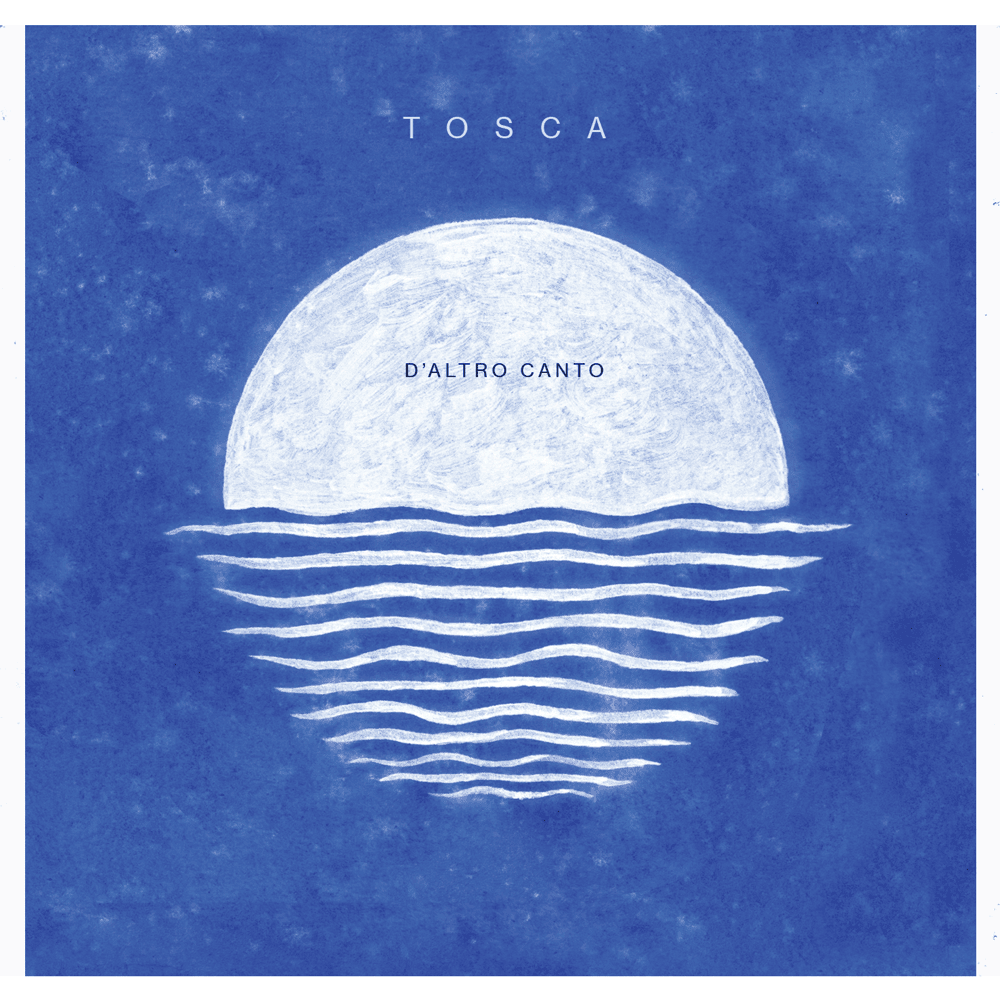
 View Artist