Song Meaning
The lyrics paint a vivid picture of nostalgia, contrasting a vibrant past with a present that feels less fulfilling. The opening lines immediately establish a longing for "happy, sweet sequestered days" and "golden days" filled with "mad romance and love." This idealized past is presented as a stark counterpoint to the narrator's current state, creating an immediate emotional tension.
The central conflict arises from the narrator's admission: "Sad am I, glad am I / For today I'm dreaming of yesterdays." This paradoxical declaration highlights the bittersweet nature of memory. While the past is cherished, the present is tinged with sadness, suggesting that the act of remembering, though comforting, also underscores a present lack. The repetition of "gay youth was mine, truth was mine" emphasizes the perceived completeness and authenticity of that bygone era.
The craft here leans heavily on direct assertion and repetition to convey its emotional weight. The consistent return to "Yesterdays" and the parallel structure of the verses, particularly the mirrored lines about "gay youth," hammer home the central theme. The simple, almost declarative statements of possession – "was mine" – amplify the sense of loss and longing for what has passed. The contrast between "gay youth" and the implied less-gay present is palpable.
Ultimately, the effectiveness of these lyrics lies in their unvarnished expression of a universal human experience: the ache for a time that felt more alive and meaningful. By focusing on the simple, declarative statements and the stark contrast between past and present, the song captures the poignant realization that while memories can be a source of comfort, they can also highlight the perceived diminishment of the present.
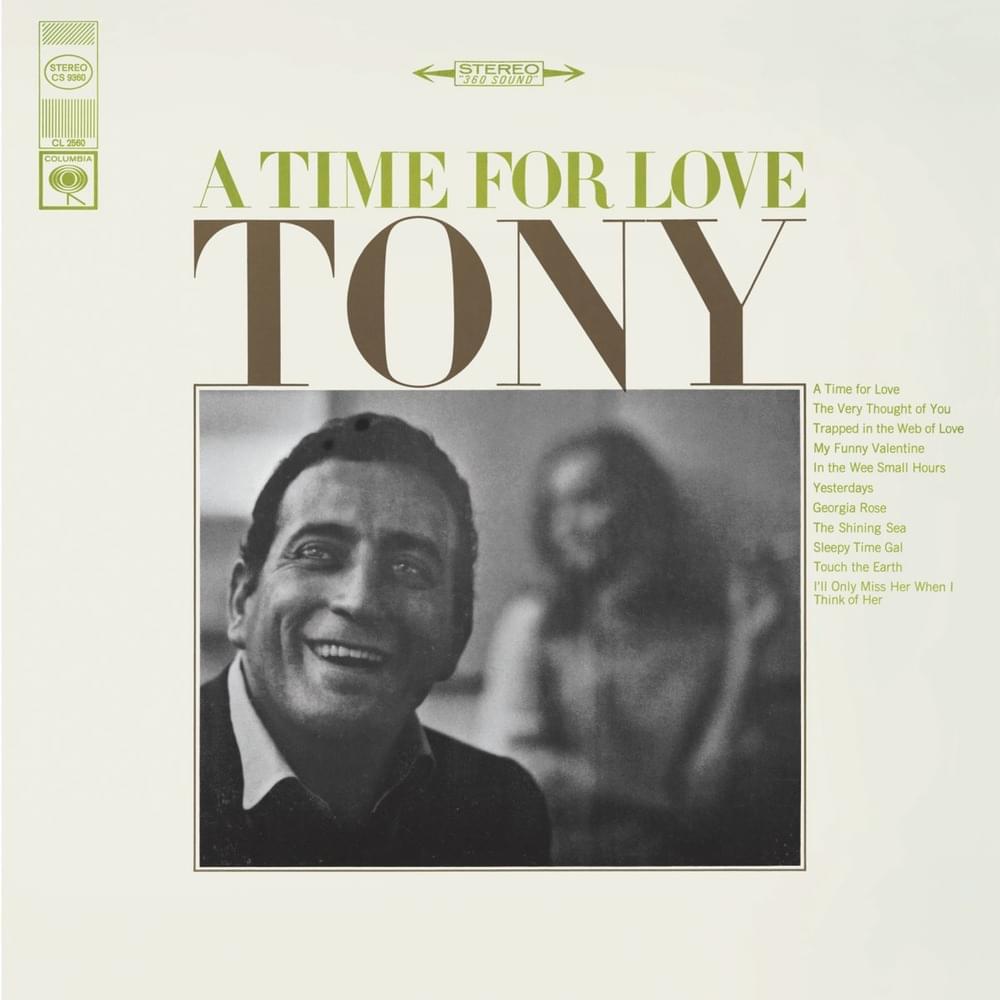
 View Artist