Song Meaning
The lyrics paint a picture of fleeting happiness, personified by the "days of wine and roses" that "laugh and run away like a child at play." This imagery immediately establishes a tone of wistful nostalgia, suggesting that joyful moments are as ephemeral and innocent as a child's game. The pursuit of this happiness leads toward a "closing door," a point of no return, marked with the ominous word "Nevermore." This stark contrast between the playful imagery and the finality of the door creates a sense of impending loss.
The central tension arises from the contrast between the remembered "golden smile" and the present "lonely night." The past is recalled as a source of introduction to these idyllic days, implying a shared experience of joy. However, the present is characterized by disclosure, not of happiness, but of a "passing breeze filled with memories." This suggests that the joy has passed, leaving only the echoes and the stark reality of solitude.
The most striking craft element is the personification of the "days of wine and roses" as a child, which amplifies their transient nature. This playful image is then juxtaposed with the foreboding "closing door" and the word "Nevermore," a direct literary allusion to Edgar Allan Poe's "The Raven," which signifies finality and despair. The sudden shift from innocent playfulness to a definitive, almost gothic, sense of loss is jarring and effective.
What makes these lyrics resonate is their ability to capture the bittersweet ache of remembering a beautiful past that is now irrevocably gone. The writing doesn't just state that happiness is lost; it shows it running away, leaving behind only the "lonely night" and the whisper of what once was. The specific images, from the child at play to the "closing door," work together to evoke a profound sense of melancholy and the inescapable passage of time.
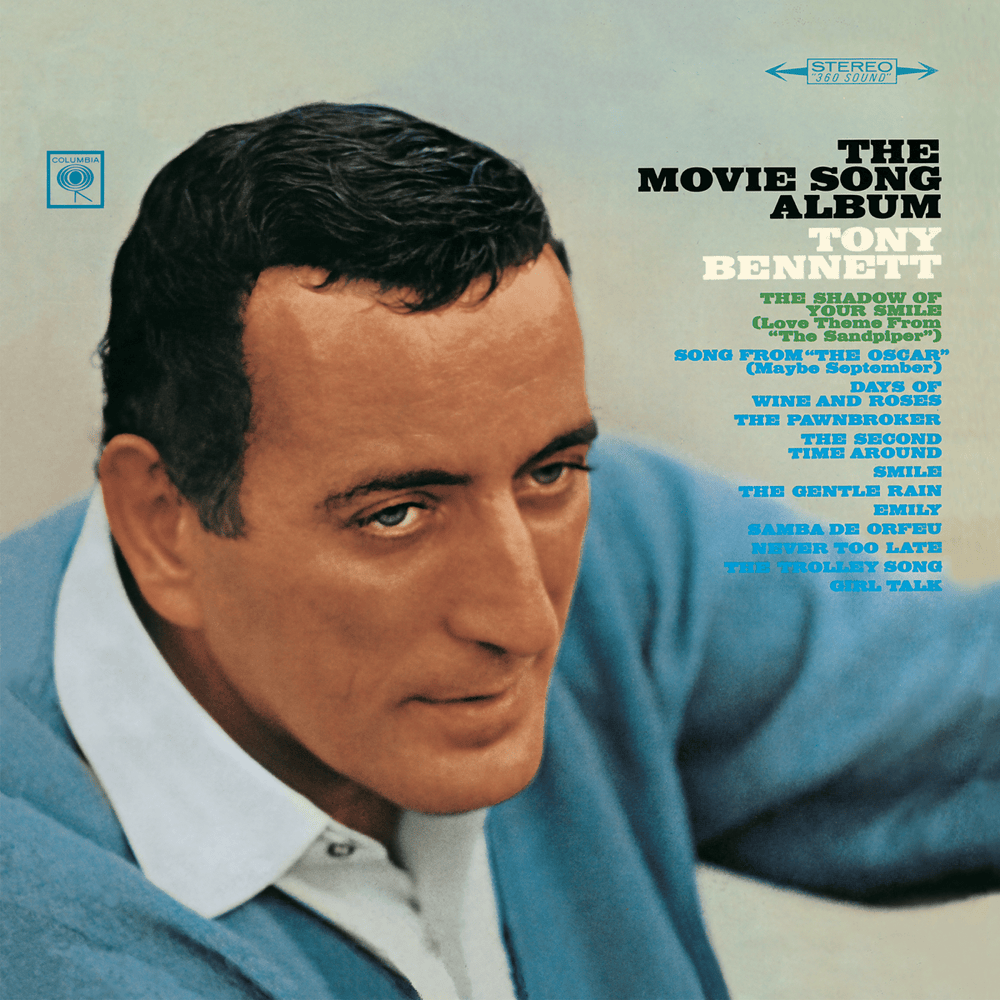
 View Artist