Song Meaning
The lyrics paint a picture of bewildered observation amidst a surreal, almost apocalyptic scene, juxtaposed with mundane domesticity. The narrator questions if this is a "revolution" or "pocalypse," only to collapse onto the couch upon turning on the TV. This immediate shift from grand, potentially world-altering events to personal inertia sets a tone of detached, almost apathetic observation of chaos.
The central tension seems to lie in the disconnect between perceived societal upheaval and the narrator's personal disengagement, amplified by the bizarre, nonsensical advertising for "tom zé." The repeated phrase "A copa aqui co qui calé?" (What's the fuss here?) and the nonsensical brand slogans like "É coco colá / Aqui copa coca acolá" create a feeling of absurdity, as if the world is falling apart while people are preoccupied with trivial, branded distractions.
The most striking craft element is the deliberate use of wordplay and invented language, particularly around the "tom zé" product. Phrases like "xarope é xique-xique" and the phonetic play on "copa" and "coca" create a sense of playful, yet unsettling, commercialism that feels both alien and familiar. This linguistic invention mirrors the feeling of a world where meaning is being distorted or replaced by manufactured slogans.
Ultimately, the lyrics resonate through their portrayal of passive consumption in the face of overwhelming, ill-defined change. The "Zé a zero" (Zero to zero, or end of game) signifies a conclusion, yet the "canção" (song) launched into the ocean to reach hearts, sailing "slowly" and "against the current," suggests a struggle for genuine connection or meaning in a world saturated with noise and artificiality. It captures a feeling of being adrift, observing a world that's both nonsensical and strangely stagnant.
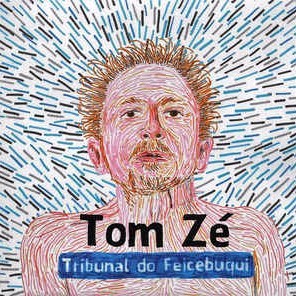
 View Artist