Song Meaning
This track immediately establishes a tone of playful, almost childish, mockery directed at someone labeled "Tom Zé mané" and "bundão." The repeated phrases "Baixou o tom" and "Baba baby / Bebe e baba" create a rhythmic, taunting chant, suggesting a loss of dignity or a descent into something base and infantile. The initial lines paint a picture of someone reduced to simple, almost animalistic actions, stripped of any former gravitas.
The core tension arises from a perceived betrayal of artistic integrity, specifically a turn towards commercialism and Americanization. The lyrics accuse the subject of becoming "americanizado," wanting to "bancar Carmen Miranda," and abandoning "o samba" for "propaganda." This shift is framed as a profound disappointment, a corruption from an authentic artistic path to a sell-out mentality, marked by a "sorriso engarrafado" – a manufactured, insincere expression.
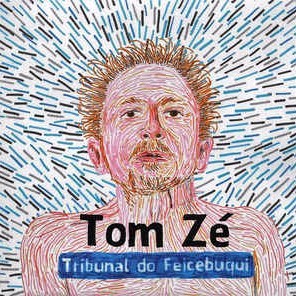
The most striking critique comes with the "tribunal do Feicebuqui." This modern, digital court of public opinion is where the subject is judged for their perceived "traição." The imagery of a "príncipe que virou sapo" and the shock of embracing "refrigerante" and a "Madalena arrependida com conservantes" highlight a disgust with perceived inauthenticity and artificiality. The final plea, "Que é que custava morrer de fome só pra fazer música?" encapsulates the ultimate accusation: a willingness to compromise artistic purity for material gain or social acceptance.
What makes these lyrics hit so hard is their direct, almost aggressive, confrontation of artistic compromise. The use of simple, repetitive sounds in the beginning contrasts sharply with the more complex accusations later on. The invented "tribunal do Feicebuqui" grounds the abstract concept of selling out in a relatable, contemporary context of online judgment, making the critique feel both personal and universally understood within a certain cultural sphere.
 View Artist