Song Meaning
This song opens with a stark lullaby, a mother comforting a child with the somber truth of her own mortality. The immediate emotional texture is one of profound, yet gentle, resignation. It's a quiet acknowledgment of hardship, framed by the repeated, almost chanted, assurance that "All my trials, Lord, soon be over." This refrain acts as both a lament and a promise, a constant undercurrent of hope amidst inevitable suffering.
The central tension lies in the contrast between earthly suffering and spiritual release. The "river of Jordan" is depicted as a physical barrier, chilling and difficult, yet the lyrics insist it cannot touch the "soul." This suggests a deep-seated belief in an afterlife or a spiritual state that transcends physical pain and death. The mention of a "little book with pages three" spelling "liberty" further reinforces this idea of a spiritual escape route, a divine promise of freedom from worldly woes.
The most striking craft element is the juxtaposition of the intimate "Hush little baby" with the communal "my brothers." This shifts the perspective from a deeply personal moment of farewell to a broader call for solidarity in the face of shared struggle. The repeated phrase "Too late, but never mind" is particularly potent, hinting at missed opportunities or irreversible circumstances, yet it's immediately softened by the overarching refrain, suggesting that even in the face of such finality, spiritual peace remains attainable.
Ultimately, the lyrics' power comes from their simple, direct language and the unwavering repetition of the core promise. The imagery, while sparse, is evocative – the cold river, the book of liberty, the Tree of Life – all pointing toward a destination of peace. It's this steady, almost hypnotic, affirmation that offers solace, transforming the acknowledgment of trials into a quiet declaration of faith in their eventual end and the promise of something better.
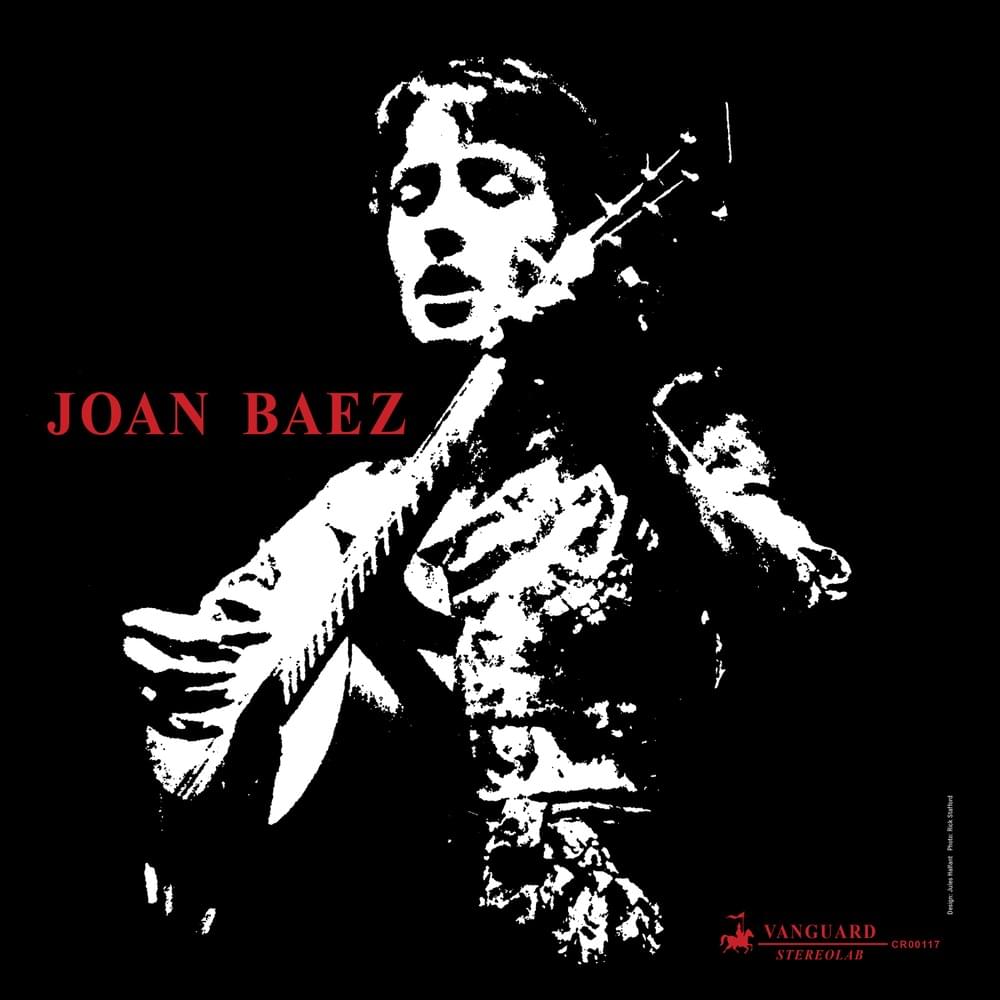
 View Artist