Song Meaning
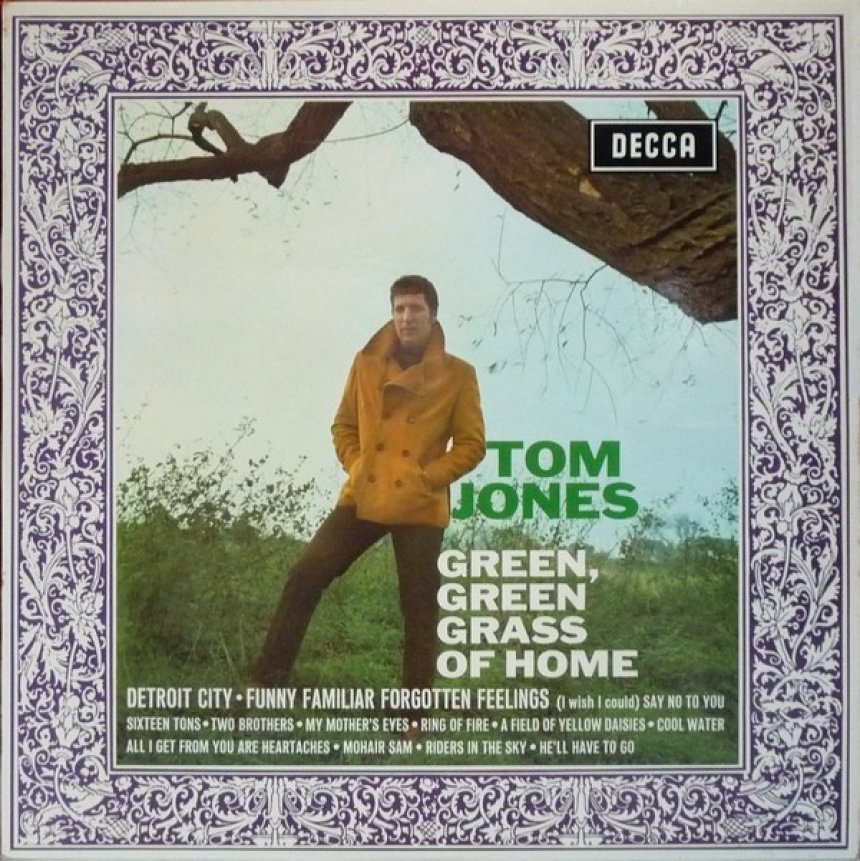
Tom Jones's stark ballad, "Two Brothers," isn't just a historical retelling; it's a haunting meditation on loss, brotherhood, and the indiscriminate cruelty of war. The song's power lies in its simplicity, contrasting the idyllic imagery of "a beautiful morning" with the brutal realities of conflict. The core narrative—two brothers marching off to war, one in blue, one in gray—immediately evokes the American Civil War, a conflict that pitted brother against brother, family against family, tearing the nation's psyche. This division, however, is a microcosm of all wars, all conflicts. Jones isn't merely singing about a specific historical event; he's tapping into the universal pain of internecine strife. The color-coded uniforms become less about allegiance and more about the arbitrary nature of fate. Who lives, who dies, who tells their story is often a roll of the dice. The song meaning resides within this tragic fate.
The chilling lines, "One was gentle, one was kind / One came home, one stayed behind," cut through any romantic notions of heroism. The cannonball, personified as indifferent to virtue, underscores the senselessness of death in war. It is a dark emotional truth. The gentle and kind are just as vulnerable, their inherent goodness offering no protection from the indiscriminate violence. The image of the two girls waiting by the railroad track, one in blue, one in black (mourning), further amplifies the devastating impact of war on those left behind. The shift from blue and grey to blue and black is significant; the colors of the uniforms replaced by the color of grief. The cyclical repetition of these verses emphasizes the unending cycle of loss and mourning.
Ultimately, "Two Brothers" transcends a simple anti-war message. It delves into the psychological weight of loss, the enduring bonds of family, and the struggle to find meaning in the face of meaningless violence. Tom Jones, with his signature gravitas, delivers a performance that is both tender and heartbreaking, reminding us that the true cost of war is not measured in battles won or lost, but in the lives shattered and the families forever scarred. The song's power rests in its ability to distill complex emotions into a few simple, yet profound, verses. The lyrics analysis reveals a timeless exploration of grief, memory, and the enduring human cost of conflict.
 View Artist