Song Meaning
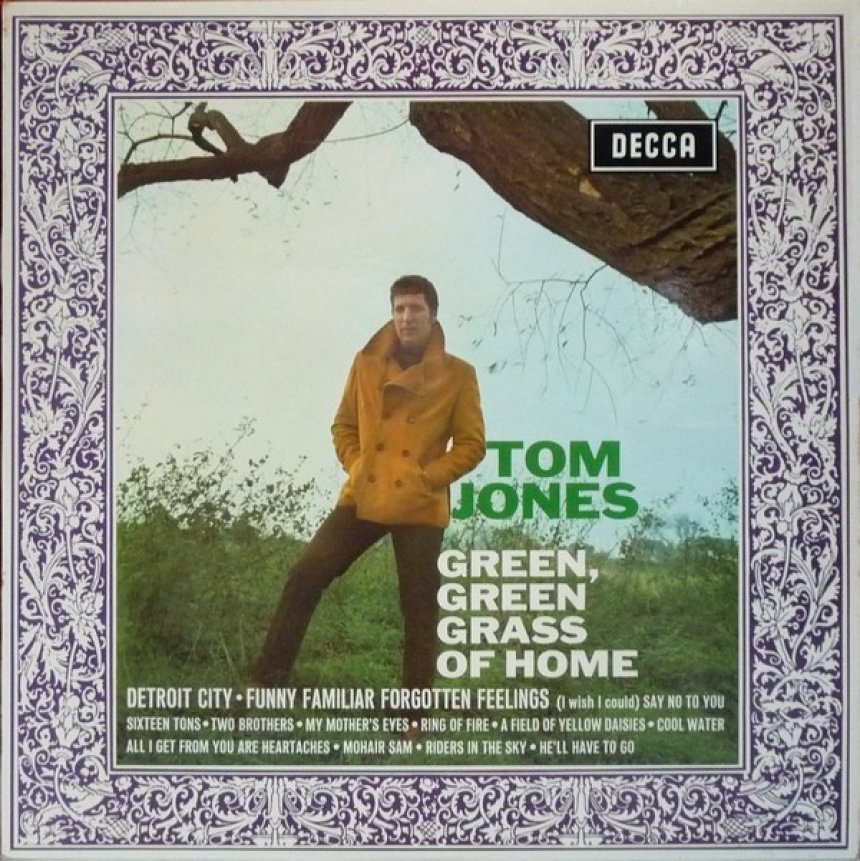
Tom Jones's "Funny Familiar Forgotten Feelings" isn't just a lovesick lament; it's a masterclass in melancholic recall. The track excavates the complex emotional archaeology of a relationship's demise. Jones doesn't wallow in fresh heartbreak. Instead, he navigates the disorienting experience of being haunted by the ghost of affection, those "funny familiar forgotten feelings" that resurface unbidden in the quiet moments. The lyrics paint a vivid scene: a woman's memory, a fleeting touch, a whispered name in the darkness—these are the triggers that unlock a flood of bittersweet nostalgia. It's not necessarily about wanting the relationship back, but about confronting the enduring impact of shared intimacy.
The genius of the song lies in its understanding of how memory functions. The feelings aren't presented as a coherent narrative, but rather as fragmented sensations that "walk all over" the singer's mind. This chaotic movement mirrors the way our brains often process loss, cycling through moments of tenderness, regret, and acceptance. The line, "It's sad, so sad to watch love go bad, but a true love would not have gone wrong," reveals a subtle layer of self-awareness. There's an acknowledgment that the relationship's failure wasn't simply a matter of circumstance, but perhaps an inherent incompatibility. This understanding offers a path towards healing, even as the "funny familiar forgotten feelings" continue to exert their pull.
Ultimately, “Funny Familiar Forgotten Feelings,” is a poignant meditation on resilience. The repetition of the phrase underscores the cyclical nature of grief, but also highlights the singer's determination to move forward. Despite the million teardrops that may fall, there's an underlying commitment to strength and perseverance. Tom Jones doesn't offer a simplistic resolution, but rather a realistic portrayal of how we grapple with the lingering echoes of love, acknowledging their power while refusing to be defined by them. The song meaning resides not in the sadness of the past, but in the strength required to face it.
 View Artist