Song Meaning
The lyrics paint a picture of a chaotic, almost violent, internal state masked by mundane actions. The narrator claims a need for a "rodeo," a metaphor for intense, perhaps destructive, activity, immediately followed by sexual conquest and a dismissive "Ha?" This juxtaposition suggests a restless energy that seeks release through aggression and immediate gratification, with little regard for consequences or emotional connection. The repeated threat, "I got a knife, so I'll stab u," and the command "Don't move" establish a palpable sense of danger and control. The phrase "パシンパシン" (pashin pashin), likely onomatopoeic for a sharp, quick action, amplifies this immediate threat.
The core tension lies between the desire for a "rodeo" – a wild, untamed experience – and the domestic imagery of "cookin in the kitchen" and "sippin coffee, smoking." This contrast highlights a jarring disconnect. The narrator is simultaneously engaged in acts of domesticity and planning or enacting violent impulses. The phrase "Walk it, like a talk it" implies a performative, perhaps boastful, attitude that aligns with the aggressive posturing, but the underlying actions remain volatile and unpredictable. The repeated "Ha?" acts as a punctuation mark of defiance or confusion, underscoring the erratic nature of the narrator's mindset.
The most striking element is the abrupt shift from domesticity to extreme violence, framed by the seemingly casual "rodeo" request. The lyrics don't build a narrative; they present a series of dislocated, intense moments. The Japanese phrases, like "暴れてる fugazi" (acting wild, fake) and "眼底をくだき" (crushing the eye socket), inject a raw, visceral energy that contrasts sharply with the English phrases. This linguistic blend creates a sense of a fractured identity, where aggressive impulses and a performative facade coexist uneasily.
Ultimately, the effectiveness of these lyrics stems from their raw, unfiltered portrayal of a volatile psyche. The abruptness of the threats, the juxtaposition of domesticity and violence, and the fragmented, almost non-sequitur structure create a disorienting yet compelling portrait. It's the feeling of witnessing someone on the edge, where the mundane is a thin veneer over a simmering, aggressive chaos, leaving the listener with a sense of unease and fascination.
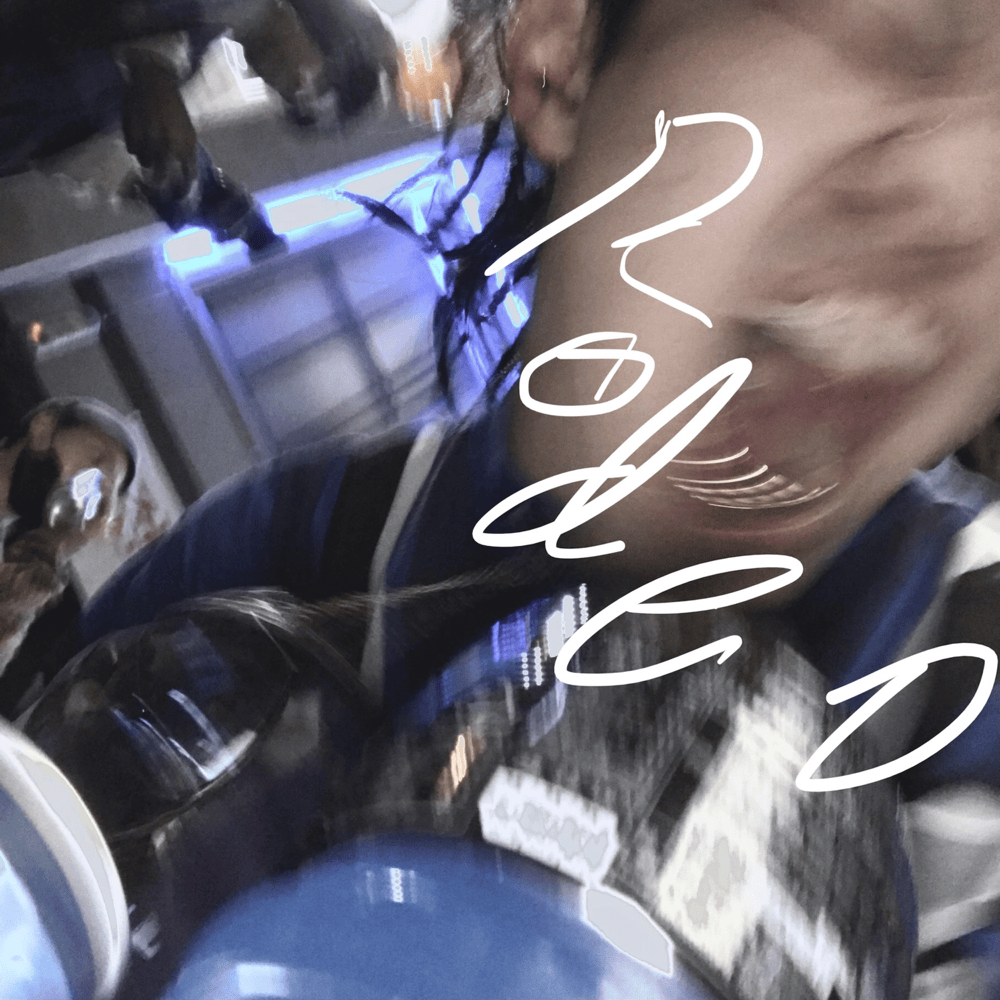
 View Artist