Song Meaning
The lyrics paint a picture of someone grappling with a sense of isolation, yet actively pushing back against it. The hook, repeated with insistent energy, declares "Ultimately alone, but not lonely." This isn't a passive acceptance of solitude, but a defiant stance, immediately followed by the assertion that companionship, specifically with "nakama" (friends/crew), negates any loneliness. The repetition underscores a need to convince oneself, or perhaps others, of this emotional resilience.
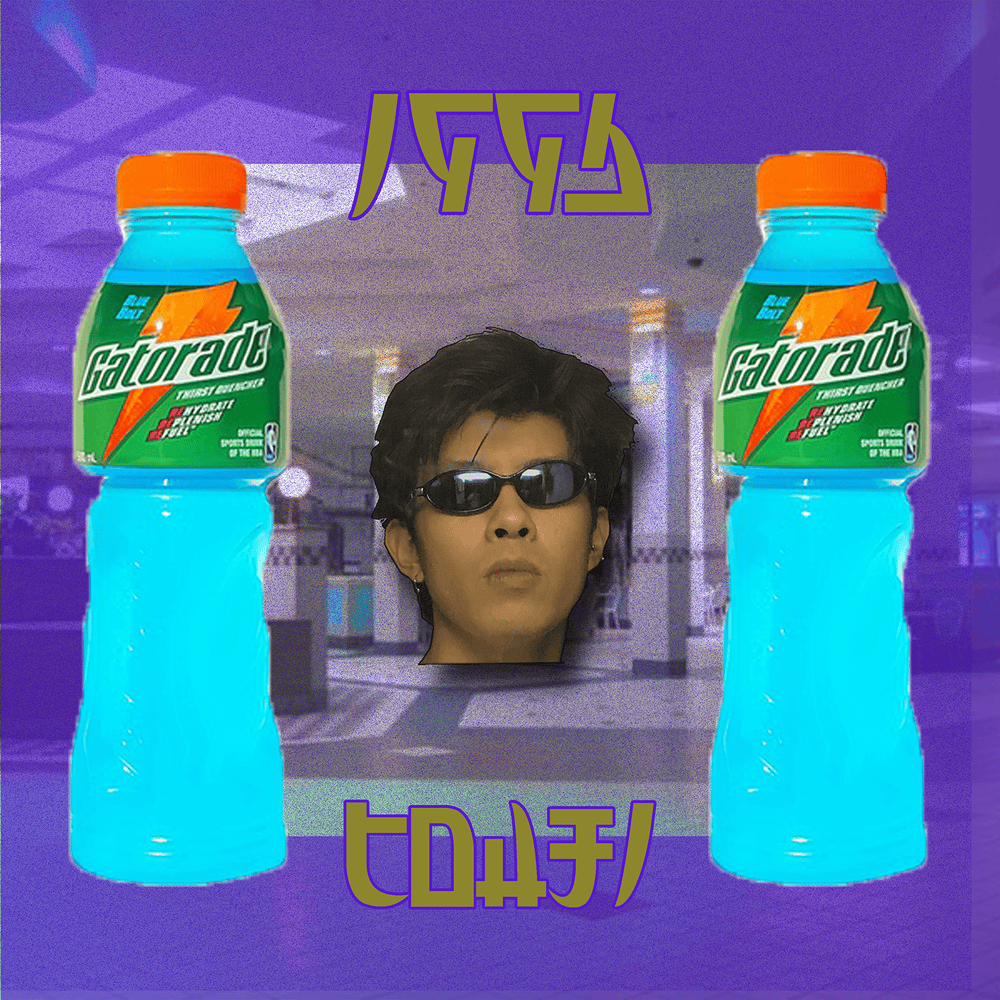
The narrative then shifts to a childhood memory of being lost in a shopping mall. The narrator observes other children holding hands with their parents, their "beautiful eyes" still innocent and unaware of any potential separation. This contrasts sharply with the narrator's own experience of being alone amidst the cheerful sounds of the mall, a feeling amplified by the ambient music that seems to drown out everything else. This early instance of being alone, even if temporary, seems to have left a lasting impression.
The second verse reflects on current relationships, noting that many acquaintances are "annoying." The narrator then recalls a past shared experience with these same people, referencing childhood items like Pokémon stickers on a water bottle, suggesting a shared history of innocence. The lyrics propose that true adulthood isn't about becoming jaded or "dirty," but about developing kindness, implying a desire to hold onto that past innocence and connection.
Ultimately, the song's power lies in its earnest, almost childlike insistence on not being lonely despite being alone. The repeated hook acts as a mantra, attempting to solidify a feeling of belonging through the presence of friends. The juxtaposition of a vivid childhood memory of being lost with the present-day assertion of not being lonely highlights a continuous effort to overcome feelings of isolation by focusing on the strength found in chosen companions.
 View Artist