Song Meaning
These lyrics open with a raw, direct question, "Gusto mo pa ba talaga ako?" immediately establishing a tone of weary uncertainty. The speaker confronts a relationship stuck in a loop, asking, "Paulit-ulit na lang ba tayo?" This isn't an accusation, but a plea for clarity and an end to a painful cycle.
The central emotional tension here is the struggle between holding onto a relationship out of habit or fear of loss, versus acknowledging the present unhappiness. The chorus repeatedly warns against forcing a connection that's "'di na masaya," emphasizing that doing so only deepens the "Sugat nating nililihim" — the secret wounds both parties carry. It's a powerful argument for honesty over endurance.
The lyrics excel in using poignant, everyday imagery to convey emotional decay. The line "Magkahawak nga'ng ating kamay / Ngunit isa na lang ang mahigpit" vividly illustrates a one-sided effort, where outward appearance belies internal distance. This is further amplified by the metaphor of a cherished "litratong iyong binigay / Unti-unti na tayong napupunit," capturing the gradual, painful disintegration of shared memories and the relationship itself.
The bridge delivers a subtle yet devastating shift: "Ang dating iniibig / Iniibig na lang." This isn't a declaration of hate, but a quiet admission that the intense, active love has faded into something passive, almost a habit or a memory. This linguistic nuance powerfully conveys the slow death of passion, paving the way for the final, resolute declaration in the outro: "'To na ang huling luha." It's a painful but necessary acceptance, a final tear shed for what was, leading to the firm decision to let go.
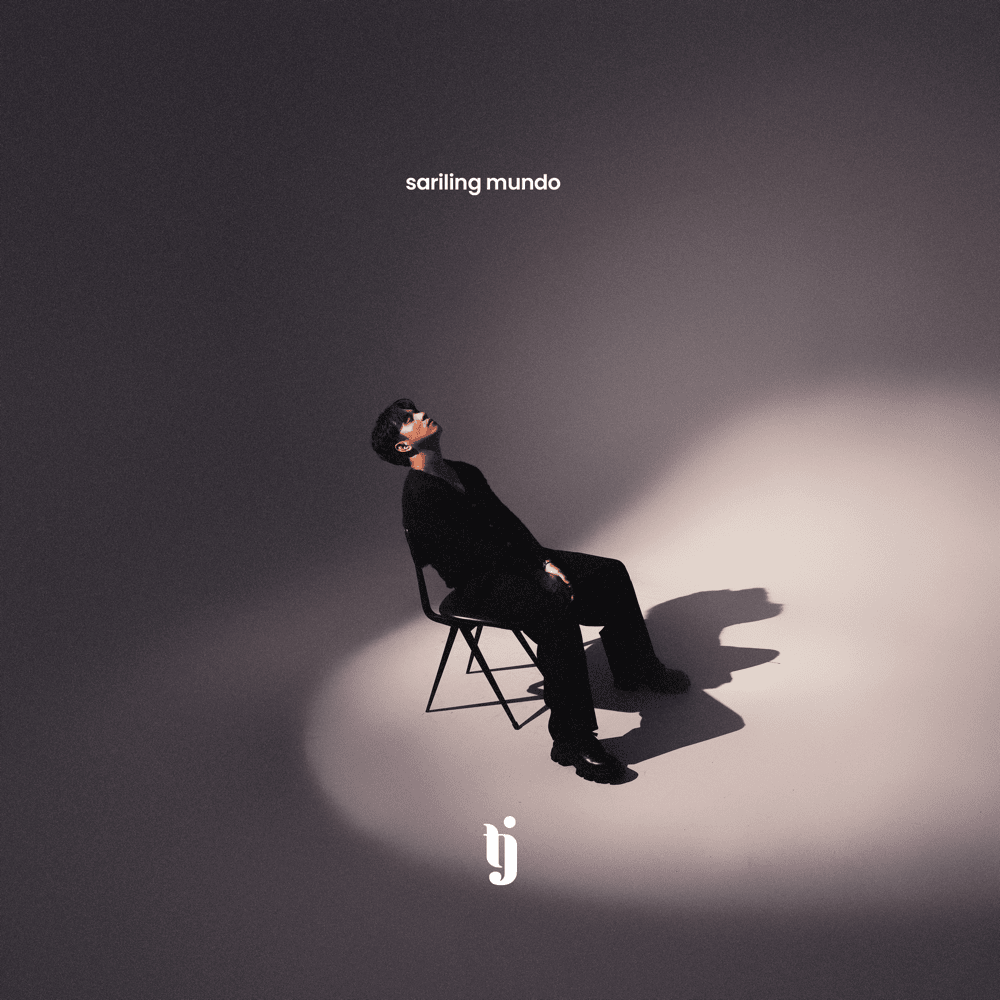
 View Artist