Song Meaning
The lyrics paint a picture of displacement and longing, opening with a sense of arrival or presence in a new place, possibly marked by the number 'soixante-trois' (sixty-three). The narrator speaks of time passing and a journey, with a strong contrast drawn between 'Americ' (America) and 'Loubnan' (Lebanon). This juxtaposition suggests a personal history or a present reality split between these two distinct locations, with a wedding ('Arous') mentioned in relation to departure or a farewell ('errhan').
The core emotional tension seems to stem from a feeling of being caught between worlds or a sense of loss associated with leaving one place for another. The lines 'Hin warjinchekh wala tilan' (I don't see you or I'm blind) and 'Falas tarha takwa houlan' (Perhaps you are far away) convey a profound sense of separation and uncertainty about connection or the well-being of someone or something left behind.
The most striking craft element is the direct naming of geographical locations, 'Americ' and 'Loubnan,' which grounds the abstract feelings of displacement in concrete, contrasting realities. This specific naming makes the narrator's personal narrative feel immediate and poignant, highlighting the vast distance and cultural differences that might be involved in their journey or separation. The repeated mention of departure or farewell ('errhan') further emphasizes the theme of leaving and the associated melancholy.
These lyrics resonate because they capture a universal feeling of being unmoored, of looking back at what was left behind while navigating an uncertain present. The direct, almost stark, presentation of the contrast between America and Lebanon, coupled with the expressions of not seeing or being far away, creates a powerful emotional impact that speaks to the pain of separation and the complexities of identity shaped identities.
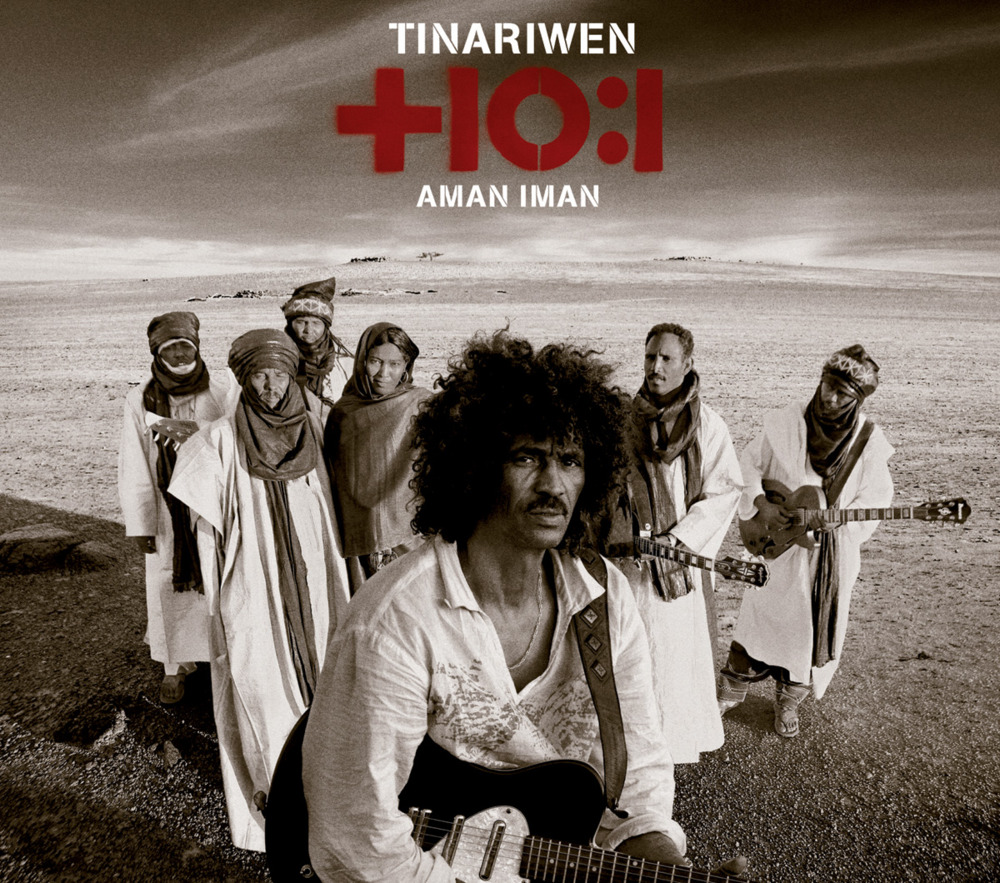
 View Artist