Song Meaning
The lyrics open with a simple, grounding image: drinking tea. This act, seemingly mundane, sets a contemplative tone, hinting at a moment of pause or reflection. The subsequent lines, however, quickly shift from this immediate sensory experience to a more abstract, perhaps melancholic, state. The repetition of tea-drinking imagery suggests it's a ritual, a way to process or endure something.
The core tension appears to lie between a desire for connection or belonging and a profound sense of isolation. Phrases like "ham wer djennegh" (perhaps implying a lack of belonging or a feeling of being out of place) and "wer asbakegh wer aqqimagh" (I don't find, I don't settle) paint a picture of someone adrift, unable to find a stable footing or a place to call home. This internal struggle is palpable, creating a feeling of quiet desperation.
The most striking aspect is the juxtaposition of the familiar act of drinking tea with the feeling of being lost or disconnected. The lyrics suggest a deep internal landscape where simple actions are imbued with complex emotional weight. The imagery of "labkhar" (incense) at the end, following the expressions of not finding or settling, could imply a search for solace or a ritualistic attempt to cleanse or transcend the current state of unease.
This piece resonates because it captures the subtle, often unspoken, feeling of being disconnected even amidst ordinary life. The craft lies in its understated delivery; the emotional weight isn't shouted but felt through the quiet repetition and the contrast between the concrete act of drinking tea and the abstract pain of not belonging. It’s this delicate balance that makes the narrator's internal world so compelling.
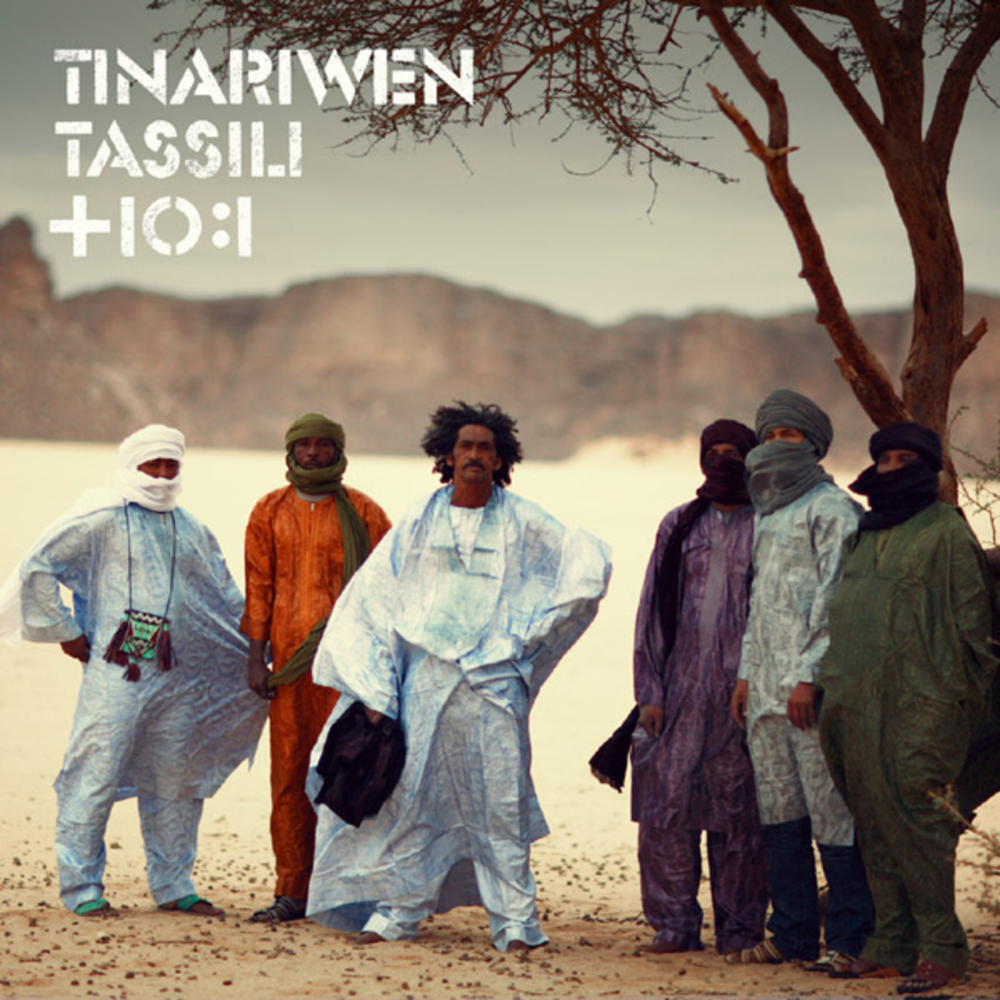
 View Artist