Song Meaning
The lyrics paint a stark picture of absence and loss, centered around the repeated phrase "Wer hintatwegh," which translates to "I don't have." This refrain immediately establishes a tone of deep longing and emptiness. The narrator lists what they lack: "ashabiba tan akal-in" (friends of the land), "charagh tamadrit-in" (the light of the village), "imidiwan edegg elegh" (companions inside me), "aytmanin ed shatma arhegh" (brothers and sisters I have lost), "azo'ma win akal-in" (the youth of the land), and "isekta-nin ed shatma-nin arhegh" (my children and my lost ones).
The central tension lies in the narrator's profound isolation. They are disconnected from their community, their family, and even their own inner sense of belonging. The repetition of "Wer hintatwegh" hammers home the pervasive nature of this lack, suggesting a void that cannot be filled. The specific mentions of lost brothers and sisters, and lost children, add a layer of grief to the general sense of loneliness, implying a past that was once full but is now irrevocably broken.
The most striking aspect of the craft is the relentless, almost incantatory repetition of the core phrase and the parallel structure of the subsequent lines. This creates a powerful, melancholic rhythm that mirrors the narrator's obsessive focus on what is missing. The imagery shifts from the external (village light, land) to the internal (companions inside me), emphasizing that this absence is not just a social or familial issue but a deeply personal, existential one. The phrase "ed shatma arhegh" (I have lost) appears twice, directly linking the lack of brothers and sisters to a concrete experience of loss.
This lyrical construction makes the song hit so hard because it bypasses complex narrative and goes straight for the raw emotion of profound emptiness. The simple, direct language and the insistent rhythm evoke a feeling of being overwhelmed by what is gone. The listener is left with a visceral understanding of the narrator's solitude, a quiet but powerful testament to the pain of disconnection and the enduring ache of loss.
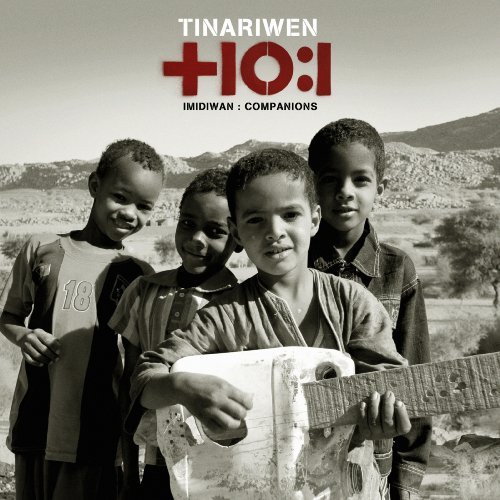
 View Artist