Song Meaning
The lyrics paint a picture of a profound, almost spiritual connection to a homeland, possibly the desert, evoked through evocative imagery. There's a sense of deep belonging and a call to remember or return to this ancestral place. The repetition of "Nere idaran illa imarhan" suggests a persistent, unwavering memory or presence of this land. The imagery of the sun, "Ed tafouk d'adhou d'assel awen," and the "ibba n'aman" (father of waters, perhaps a river or oasis) grounds the feeling in the natural elements of this environment.
The central tension seems to lie in the relationship between the present and this remembered or ancestral homeland. The mention of "Kel Tamashek" and "Tamashek" points to a specific cultural identity, suggesting a collective memory and heritage. The narrator appears to be addressing their kin, "Aitma nin," urging them to acknowledge or reconnect with this shared identity and the land it represents. The phrase "Ta tamossat tan Tamashek" hints at a deep, perhaps even maternal, connection to this identity.
The most striking aspect of the craft is the use of repetition and the invocation of natural elements to create a sense of timelessness and deep-rootedness. The recurring lines act like a chant, reinforcing the central theme of remembrance and belonging. The imagery of the sun and water connects the human experience to the fundamental forces of the land, suggesting that the identity and memory are as essential and enduring as these natural phenomena. The final lines, "Tidit iyat timakhorat arou tendhal darh tiyarat / Amoud fallas aljahalat," seem to introduce a note of caution or a warning against ignorance or forgetting, contrasting the enduring nature of their heritage with potential neglect.
This lyrical approach is effective because it bypasses explicit narrative for a more visceral, emotional evocation. By focusing on sensory details and repeated refrains, the lyrics create a powerful atmosphere of longing and cultural pride. The connection to the land is presented not just as a geographical fact but as an intrinsic part of identity, making the call to remember feel urgent and deeply personal, even without a clear story arc.
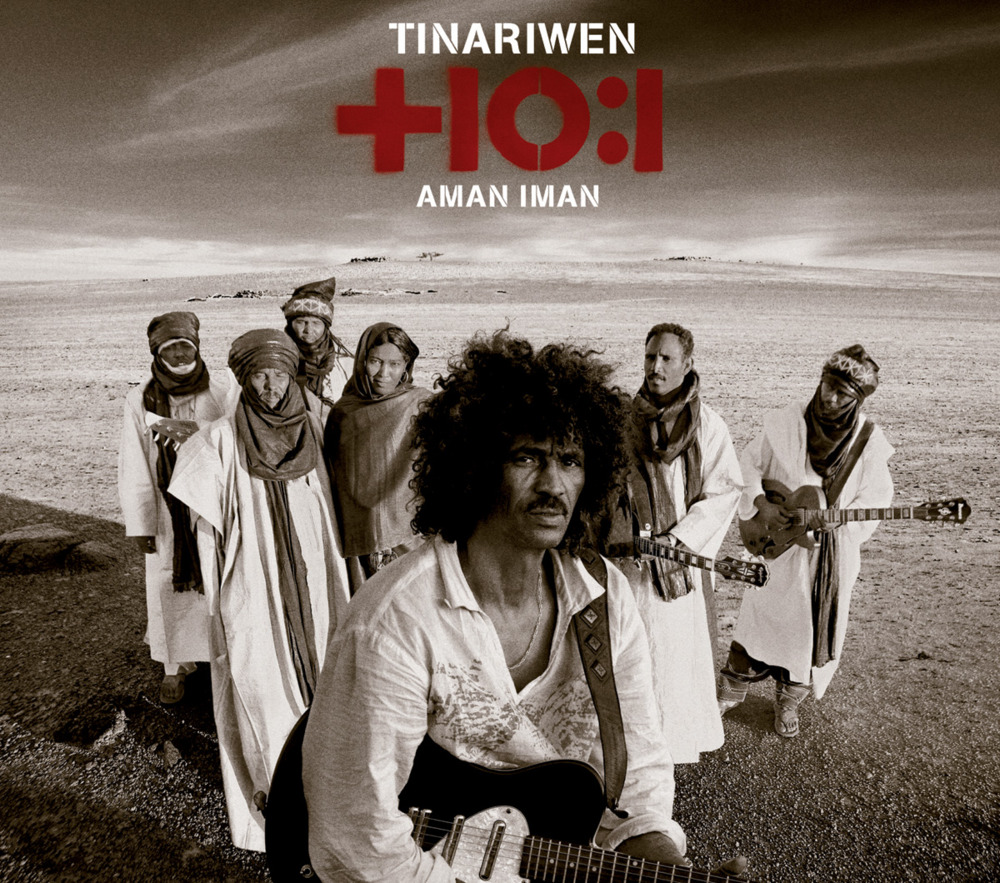
 View Artist