Song Meaning
The lyrics paint a stark picture of isolation and a yearning for connection, directly addressing "Assouf" as a source of hardship. The repetition of "Ihanimanin doulhin erakhan" suggests a deep-seated, perhaps inescapable, sorrow or longing that is tied to this "Assouf." It feels like a lament, a cry into the void for something or someone absent.
The central tension appears to be the struggle against this overwhelming sense of loneliness or difficulty, personified by "Assouf." The narrator questions if anyone understands their internal state, asking "Kik imidiwan indek issanan," implying a feeling of being misunderstood or alone in their suffering. The phrase "Awa issasmadhen oulh erakhan" hints at a heart that is hardened or perhaps numb from this persistent struggle.
A striking element is the contrast between the vastness of the "adounia" (world/life) and the intimate, personal pain. The lyrics mention "Athassan adounia nassadhan itran," suggesting the world is filled with stars or perhaps sorrows, but the core experience remains intensely personal. The final lines, "Imanin doulhin assin nikmam," seem to reinforce this feeling of being left behind or separated, emphasizing a profound sense of solitude.
This lyrical construction is effective because it uses direct address and evocative, yet sparse, imagery to convey a powerful emotional state. The repetition creates a hypnotic, almost incantatory effect, drawing the listener into the narrator's world of hardship and longing. The ambiguity of "Assouf" allows it to resonate as a universal feeling of desolation or a specific, unnamed burden.
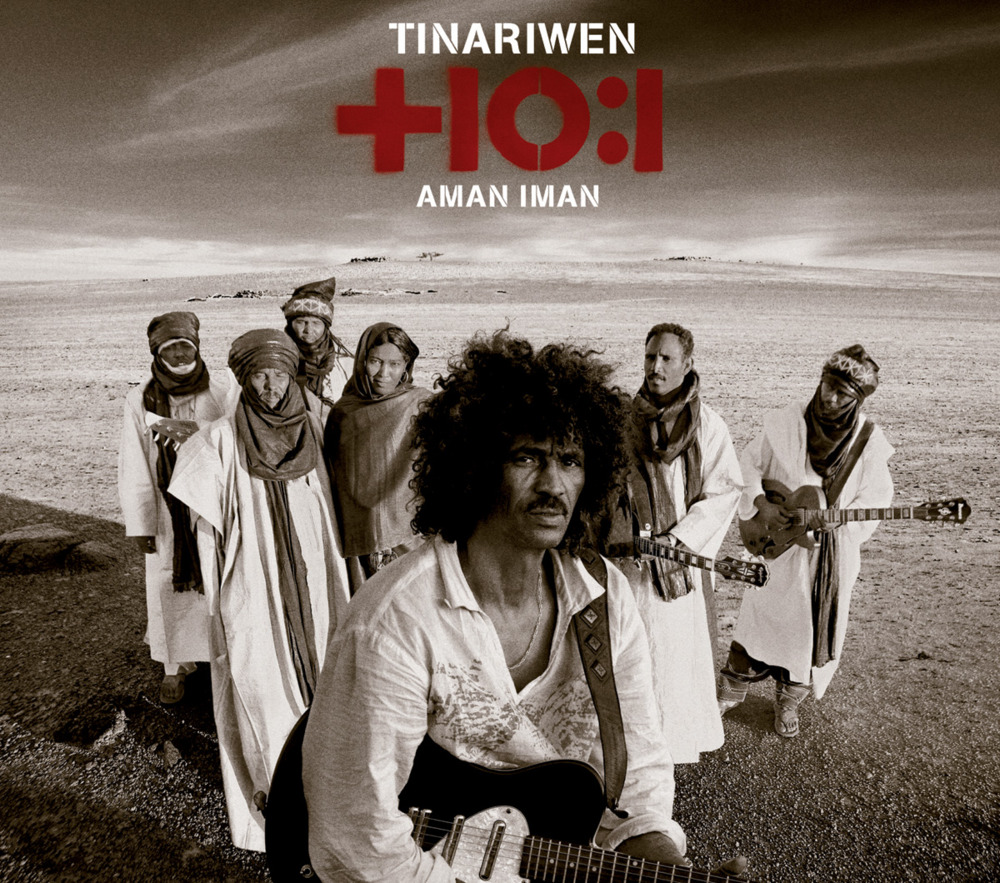
 View Artist