Song Meaning
The narrator's obsession with a name, and by extension, the person it belongs to, drives this track. The repeated demand, "Tell me his name," establishes a tone of insistent, almost desperate, curiosity. It’s framed as a simple request, but the underlying tension suggests something far more complex, hinting at a possessive fixation that borders on the obsessive. The narrator seems convinced they'll uncover the truth, stating, "It's only a matter of time 'til I find out / Who he is, anyway." This certainty, coupled with the repeated pleas, creates an unsettling atmosphere.
The core conflict emerges from the narrator's perceived threat and the other person's resistance. The narrator offers a strange form of unsolicited advice: "Save yourself a whole lot of trouble / Save yourself a whole lot of pain." This implies the narrator sees the other person's silence as a dangerous choice, perhaps one that will lead to negative consequences for them. The recurring phrase, "Oh you can't save him, save yourself," is particularly pointed, suggesting the narrator believes the person being addressed is in some kind of peril related to this unnamed man, and that the only way out is to reveal his identity.
The most striking lyrical device is the narrator's claim of almost supernatural insight. They observe, "And lookin' at your lips I see / His name is in your mouth." This is a powerful image, suggesting the name is so present it's physically on the other person's tongue, a constant, unspoken thought. The narrator then escalates this, asserting, "For I may read it from your mind," and even more chillingly, "For his first and last initials / I will bring you his remains." This final, brutal line transforms the initial curiosity into something far darker, implying a violent end for the man and a grim transaction for the information.
What makes these lyrics resonate is the escalating intensity and the stark contrast between the initial, almost playful guessing of names like "Simon, Simone, Mika," and the final, menacing threat. The narrator’s relentless pursuit, coupled with the chillingly specific, violent imagery, creates a palpable sense of dread. The craft here isn't about empathy; it's about depicting a consuming, dangerous fixation that uses language to both probe and threaten, leaving the listener unsettled by the raw, dark emotion.
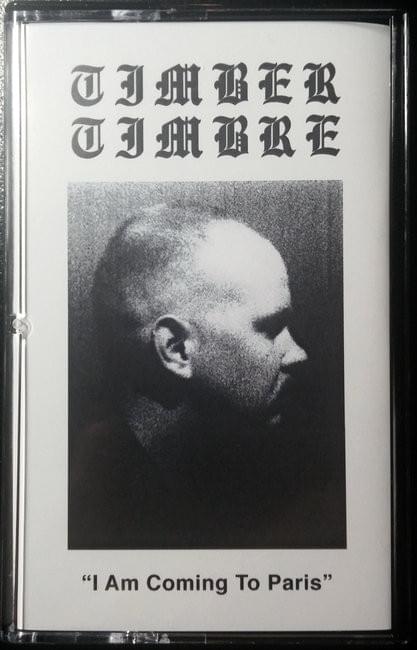
 View Artist