Song Meaning
The lyrics present a stark, almost chilling declaration of intent. The narrator is coming to Paris with the explicit purpose of ending someone's life, a fact they state with unnerving directness and repetition. The mundane detail of booking a flight grounds this violent fantasy in a disturbingly practical reality, making the threat feel immediate and planned. This juxtaposition of a romantic destination with a homicidal mission creates an immediate sense of unease.
The central tension arises from the contrast between the violent objective and the subsequent, seemingly unrelated, refrain about time healing wounds. The repeated assertion that "it takes a little time, but you'll feel better about most of these things" feels like a bizarre, almost detached rationalization or a coping mechanism. It suggests a complex internal state where the narrator acknowledges the eventual passage of time and a potential shift in perspective, yet this doesn't deter their current, drastic course of action.
The most striking aspect of the craft here is the relentless repetition of the core threat, "I am coming to Paris to kill you." This isn't just emphasis; it functions as a mantra, a fixation that drowns out any other potential thought or emotion. The simplicity of the language, devoid of elaborate metaphor or complex imagery, amplifies the raw, unvarnished nature of the narrator's resolve. The second section, with its gentle cadence and platitude about feeling better, acts as a jarring counterpoint, highlighting the psychological disconnect.
This lyrical approach is effective because it bypasses emotional complexity for sheer, blunt force. The directness of the threat, coupled with the almost passive acceptance of time's eventual palliative effect, creates a disquieting portrait of someone driven by an overwhelming, perhaps irrational, purpose. The listener is left to grapple with the unsettling disconnect between the violent act and the vague promise of future emotional resolution.
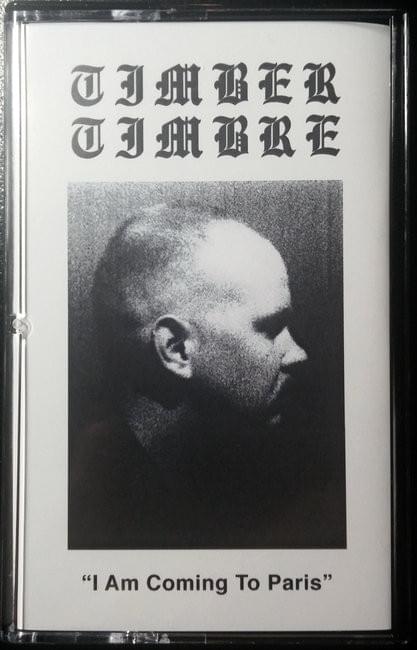
 View Artist