Song Meaning
Thom Yorke's "I Won’t Ever Leave You Behind" is less a promise of steadfastness and more a haunted dispatch from the borderlands of grief. The disorienting repetition—"I've turned, turned," "Some water, some water"—immediately establishes a state of psychic unraveling, as if the speaker is caught in a loop of fragmented memory. The broken bones are both literal and figurative, suggesting a trauma that has shattered not only the physical self but also the foundations of identity. The apologetic "I'm sorry, must go" hints at an abandonment, but one born not of malice, but of an unbearable internal pressure. Is this a suicide note distilled to its most elemental anxieties? It certainly reads like one.
The imagery of willows, traditionally symbols of sorrow and mourning, further deepens the song's melancholic core. "I walk in willows, the willows / Somehow I go where I don't know" evokes a sense of aimless wandering in a landscape of despair. There's a loss of control, a surrender to an unknown and frightening destination. The repeated phrase emphasizes the feeling of being lost, both physically and emotionally. The "sorrow and shame" mentioned are not specified, but they weigh heavily, contributing to the overall atmosphere of desolation. It's a journey into the darkest recesses of the self.
The final line, "A knife is buried," is stark and unsettling. It could be interpreted literally, as a suggestion of violence, but it also functions as a potent metaphor for the buried pain and unresolved trauma that haunt the speaker. The knife is not actively wielded, but it remains a constant presence, a reminder of the potential for self-destruction. The buried knife is the truth that the narrator can't confront directly, the painful secret that festers beneath the surface. In this context, the assertion "I Won’t Ever Leave You Behind" takes on a chilling ambiguity. Is it a vow of loyalty, or a declaration of the inescapable nature of trauma, a promise that the speaker's suffering will forever linger?
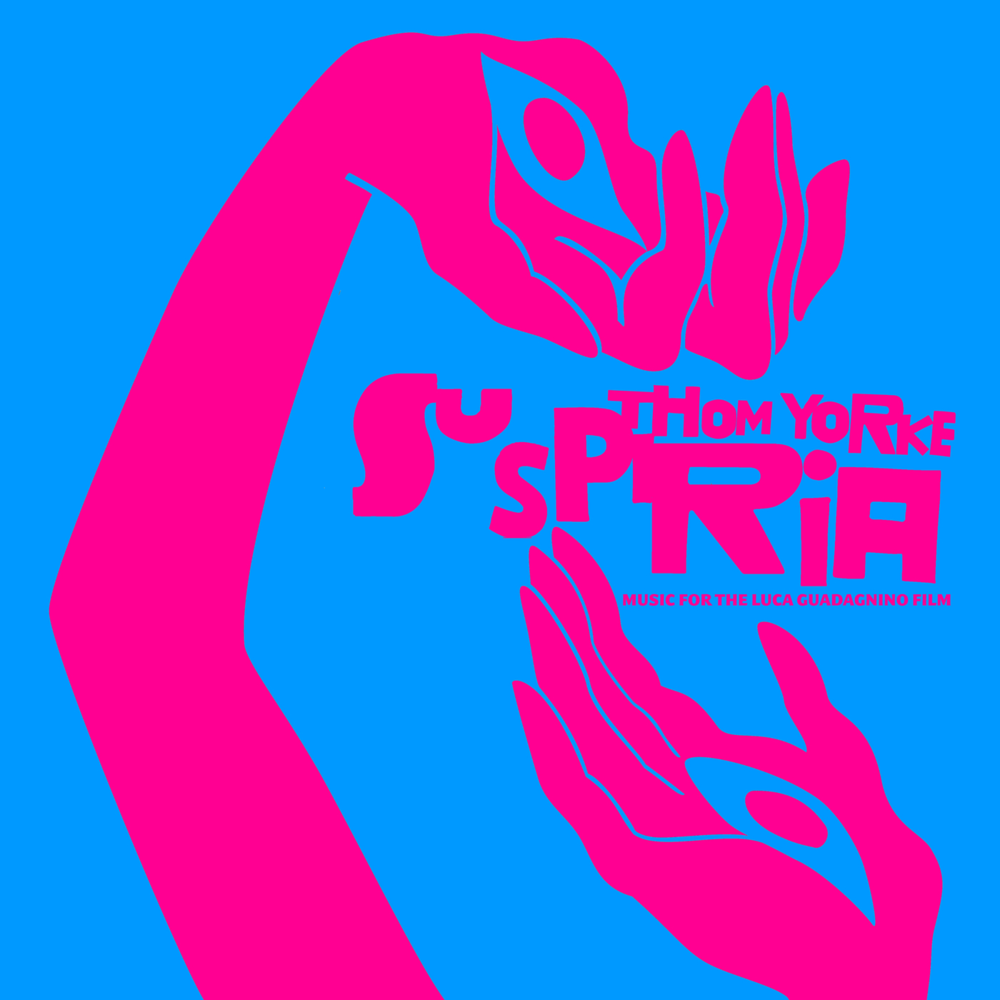
 View Artist