Song Meaning
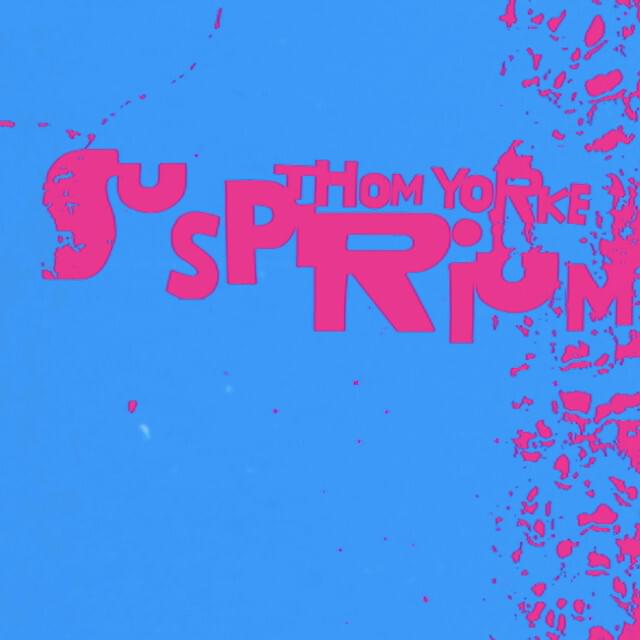
Thom Yorke's "Suspirium" doesn't just haunt; it cradles. This isn't stadium-sized existential dread, but something far more intimate and unsettling, a lullaby sung at the edge of a psychic abyss. The track, ostensibly a waltz, immediately throws us off balance, suggesting a dance not of celebration, but of precarious equilibrium on shifting ground. The lyrics offer a meditation on the corporeal – "Thinking about our bodies / What they mean / For our salvation" – hinting at a search for meaning within the confines of our physical existence. It's a theme Yorke has explored before, but here it's stripped bare, vulnerable.
The song's central tension lies in its juxtaposition of light and darkness. "Is the darkness / Ours to take? / Bathed in lightness." This duality permeates the track, suggesting a struggle to reconcile opposing forces, perhaps within the self, or within a relationship. The image of "dancing behind a wall" speaks to a performance of normalcy, a fragile attempt to maintain composure while hidden turmoil simmers beneath the surface. The plea, "When I arrive / Will you come and find me? / Or in a crowd / Be one of them?" reveals a deep-seated fear of abandonment and a yearning for recognition, for authentic connection amidst a sea of anonymity.
The recurring motif of "Mother" adds another layer of complexity to the song's meaning. "Mother wants us / Back beside her" evokes both comfort and a subtle sense of regression. Is this Mother a symbol of a lost innocence, a yearning for the safety of the womb, or something more sinister – a controlling force that seeks to stifle individuality? The song avoids easy answers, instead lingering in a space of ambiguity and emotional resonance. "Suspirium" isn't a song to be decoded; it's a feeling to be inhabited, a haunting reminder of the fragility and beauty of the human condition. The lyrics analysis suggests that within the song lies an exploration of what it means to be human, to yearn, and to fear, all while dancing on the edge.
 View Artist