Song Meaning
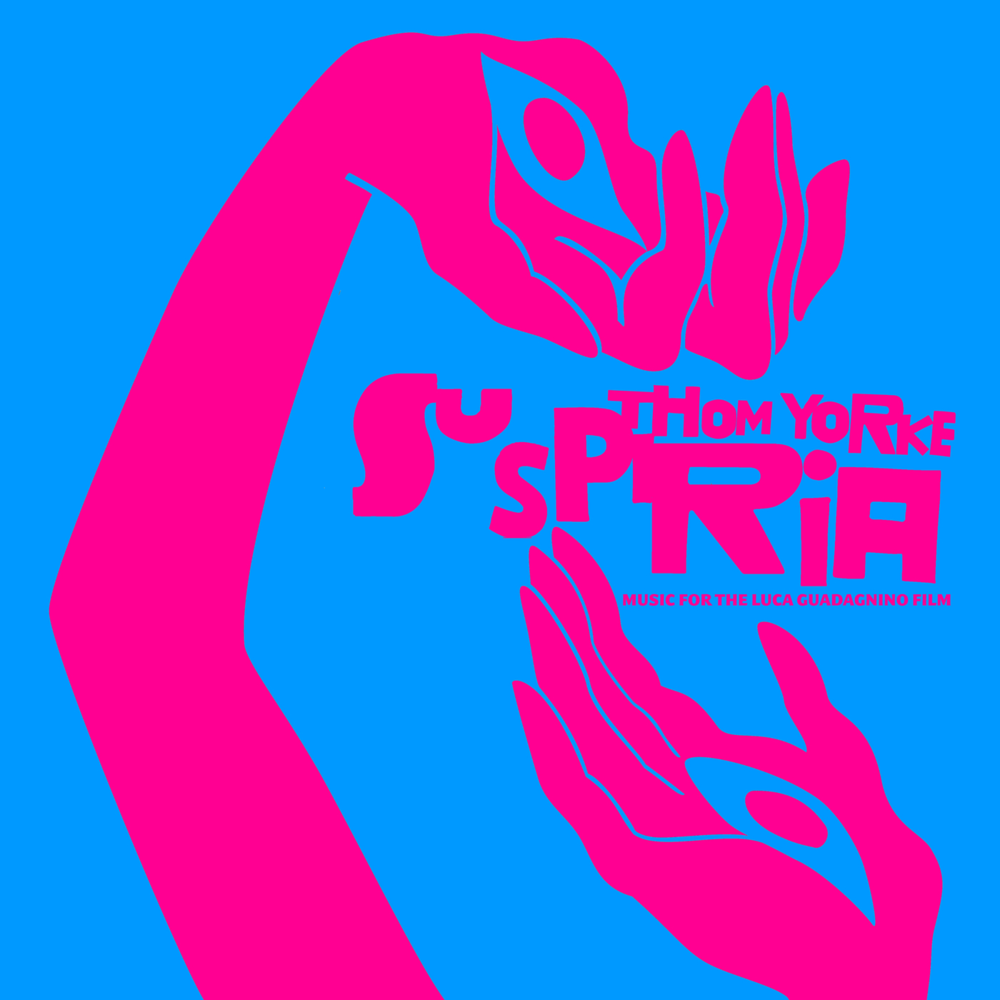
Thom Yorke's "Suspirium Finale" isn't just a closing track; it's an invitation into a sonic sanctuary built on existential anxieties. The waltz tempo, deceptively graceful, underscores the lyrical meditation on the body as both a vessel and a battleground for salvation. Yorke immediately grounds us in physical reality—"only the clothes that we stand up in / Just the ground on which we stand"—before spiraling into questions of ownership: "Is the darkness ours to take?" This isn't gothic horror, but something far more unnerving: the horror of being human, stripped bare. The lightness and heat suggest an almost feverish state, as if these bodies are vessels about to be tested by an unknown force. The song meaning is about confronting the fundamental questions of existence.
The lyrics then turn to themes of acceptance and delusion: "All is well, as long as we keep spinning." This spinning, this dancing behind a wall, feels like a fragile shield against an encroaching truth. The "old songs and laughter" that are "forgiven always and never been true" suggest a reliance on comforting fictions, a collective denial of some unspoken dread. It's a poignant commentary on how societies often maintain a semblance of order through shared illusions. The song delicately balances the appeal of these illusions with the yearning for something real, something true. The tension between these two poles is at the core of “Suspirium Finale’s” emotional impact.
The final verse introduces a desperate plea for connection amidst potential oblivion. "When I arrive, will you come and find me?" is a question loaded with vulnerability. Will there be recognition, or will the singer be lost in the crowd, indistinguishable from everyone else? The mention of "Mother" wanting them back, with "no tomorrows at peace," adds a layer of Freudian unease. Is this 'Mother' a symbol of death, a return to the womb, or some other controlling force? Whatever the interpretation, it robs the listener of any easy solace. Thom Yorke doesn't offer answers in "Suspirium Finale," but expertly frames the questions that haunt us most, leaving us to waltz with our own anxieties long after the music fades.
 View Artist