Song Meaning
Thom Yorke’s “Sister Splinter” feels like a psychic weather report from the fractured landscape of modern consciousness. The song meaning resides in that perpetual state of overwhelm—the digital snowdrifts of information, the anxieties of choice, the feeling that even our own identities are just roles we’re performing. The opening verse paints a stark picture: a “self-fulfilling prophecy of endless possibility” rendered meaningless, flattened into “algebra” on a screen. It’s a paradox of freedom; the infinite options paralyze, the algorithms dictate, and the fences, though invisible, remain unscalable. Yorke captures the ennui of a generation drowning not in sorrow, but in data.
The chorus hits with the blunt force of depression itself: “It gets you down.” There's a crucial line, “You traveled far, what have you found?” This isn't literal travel. It's the journey through life, through experiences, through the curated realities of social media. The answer, chillingly, is “there’s no time to analyze.” The speed of modern life—the constant demands for reaction, for performance—leaves no space for genuine reflection, for processing the onslaught. The relentless “analyse, analyse, analyse” refrain becomes a desperate, futile mantra, a symptom of the very problem it seeks to solve.
Even moments of potential beauty, like “candles in the city,” are tainted by the precarity of “power cuts and blackouts.” This suggests a world where even simple pleasures are contingent, threatened by systemic instability. The repetition of “You’re just playing a part” underscores the pervasive sense of inauthenticity. "Sister Splinter," then, is not just a song; it’s a diagnosis. It's about the splintered self, fractured by the pressures of a world that demands constant optimization and leaves no room for the messy, vital work of simply being human.
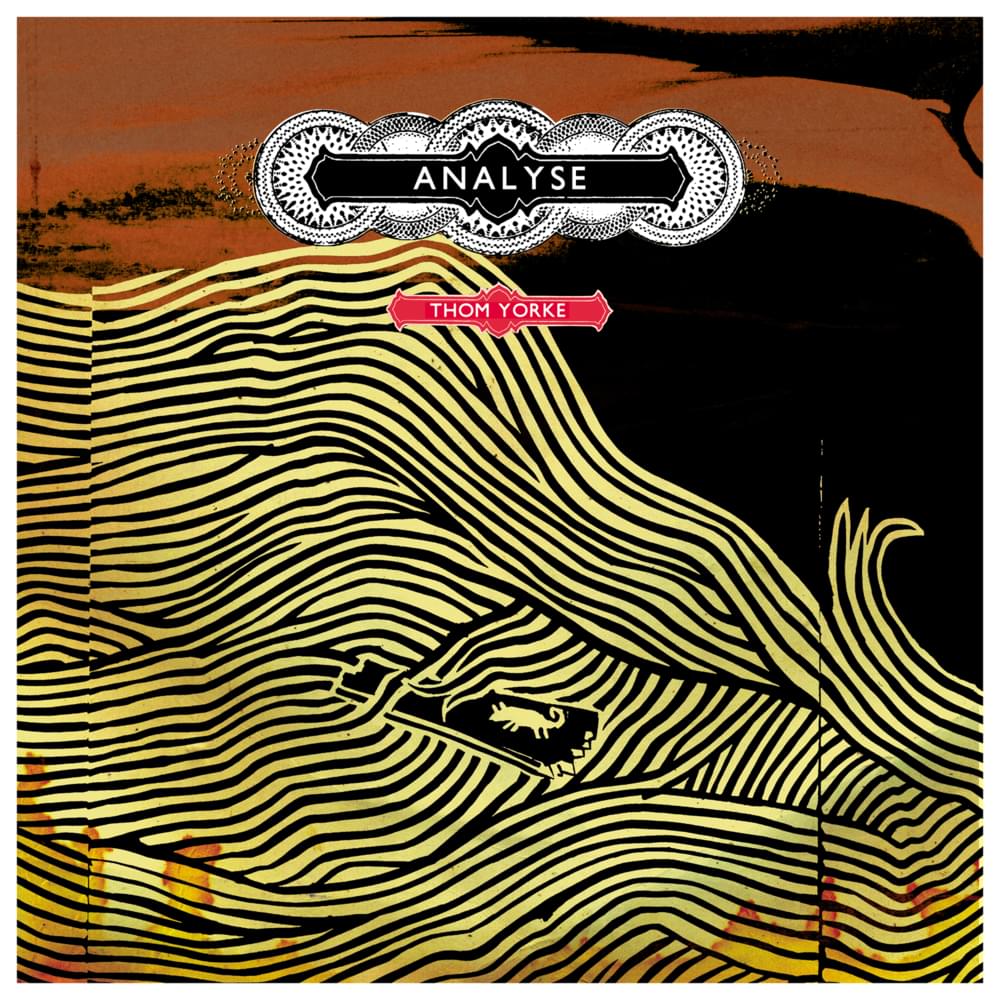
 View Artist