Song Meaning
This track opens with a direct address, a roll call of sorts for those who might feel on the fringes. It paints a vivid picture of adolescence, highlighting physical markers like "headgear and braces" and "glasses and acne." But it quickly moves beyond the superficial, acknowledging deeper struggles such as "foster care families" and "eating disorders." The initial list feels almost like a catalog of perceived differences, setting a tone of shared, if sometimes awkward, experience.
The lyrics then pivot to a more complex layering of identities and circumstances. We see "Star Trek fanatics" alongside "guys in gymnastics," and "chess club contenders" juxtaposed with "speculative genders." This deliberate pairing suggests a refusal to neatly categorize individuals, instead embracing the messy, often contradictory, realities of growing up. The mention of "lives that are tragic" and "friends they imagine" hints at underlying loneliness and the coping mechanisms people develop.
The song's power lies in its unflinching cataloging of the marginalized and the misunderstood. The repeated "Wa-oo wa-oo" acts as a strange, almost childlike refrain, a sonic echo that could be interpreted as a lament or a defiant cry. It underscores the vulnerability inherent in these descriptions, creating a sense of shared humanity beneath the surface differences. The final, almost whispered, "God loves us all" offers a fragile note of hope, a benediction for those who might feel forgotten or judged.
Ultimately, the lyrics resonate because they acknowledge the multifaceted nature of identity and struggle, particularly during formative years. By listing specific, often overlooked, details, the song creates a sense of recognition and empathy. It’s a powerful reminder that behind every label or perceived quirk, there’s a complex individual navigating their own unique path.
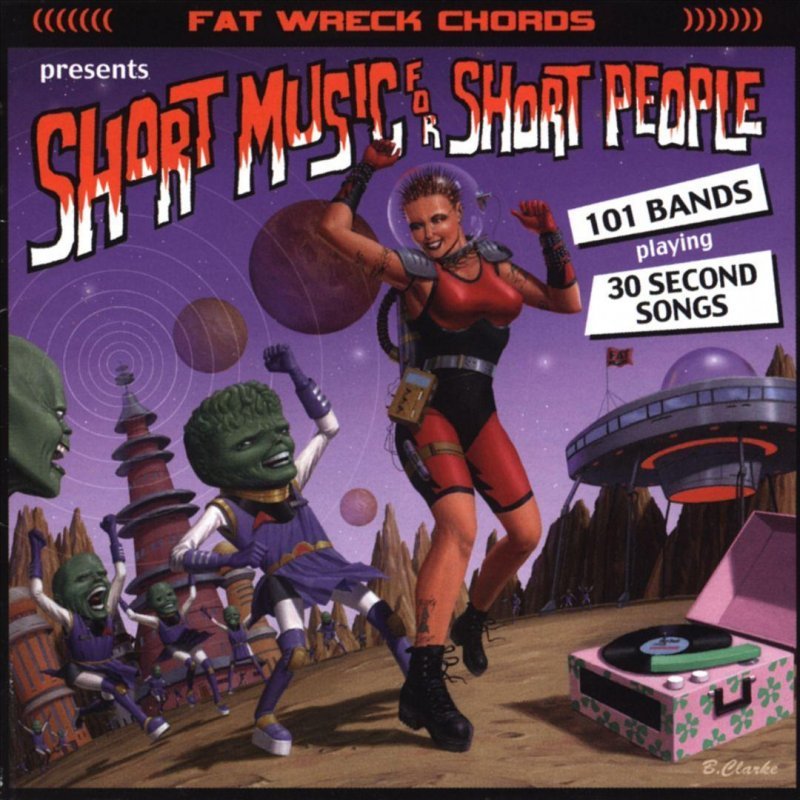
 View Artist