Song Meaning
The lyrics paint a stark picture of human self-absorption, noting that this egocentricity is never far away. Whether one is a nobleman or a beggar, the narrator observes a persistent, unchanging human nature. This observation is framed by the vastness of the "sterrenhemel" (starry sky), which teaches that perceived differences are ultimately illusory, a fleeting "schijn" (illusion) or a "klein" (small) distinction.
The central tension lies in the contrast between superficial social distinctions and a deeper, more fundamental human truth. The repetition of "Edelman of bedelman" and "Barones of bedelvrouw" highlights these societal hierarchies. Yet, the lyrics consistently return to the idea that these differences are insignificant when viewed against the backdrop of the cosmos, suggesting a shared human essence that transcends status.
The most striking craft element is the recurring, almost mantra-like refrain about "een huis" (a house) that will always exist, "open en van waarde" (open and of value), and "gebouwd op rode aarde" (built on red earth) or "milde aarde" (mild earth). This imagery of a foundational, welcoming dwelling, rooted in the earth, serves as a powerful counterpoint to the transient nature of human ego and social status. It suggests a constant, enduring place of belonging and worth.
Ultimately, the effectiveness of these lyrics stems from their simple yet profound assertion of an underlying unity. The repeated emphasis on what "altijd zal er een huis bestaan" (a house will always exist) offers a sense of grounding and continuity. The lyrics encourage a remembrance of one's true, unchanging self, implying that true value lies not in external achievements or social standing, but in this inherent, earth-bound existence.
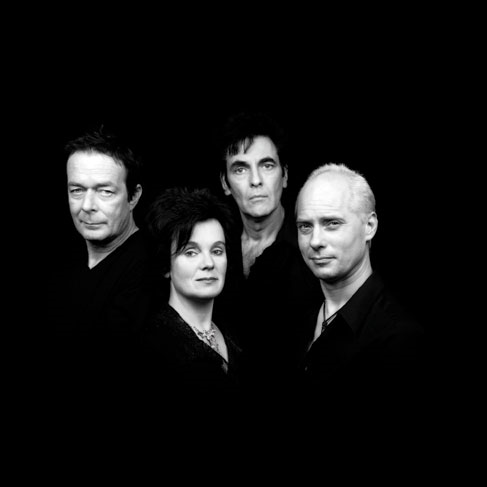
 View Artist