Song Meaning
The lyrics paint a picture of music that's beautiful but initially obscured, like a distant signal struggling to break through. The narrator describes the music as "amper hoorbaar" (barely audible) and "een stoorzender is aangezet" (a jammer has been turned on), setting up an immediate tension between the desire to hear and the interference. This creates a mood of yearning, where the beauty of the music is felt more intensely because of its elusiveness, almost as if it's singing "van verre zingend naast me in m'n bed" (from afar singing next to me in my bed).
The central paradox lies in how the static and crackling of the "zender" (transmitter) and "speaker" actually enhance the emotional impact. The narrator states, "Hoe meer de zender kraakt, hoe meer hij mij zal raken" (The more the transmitter crackles, the more it will affect me) and "hoe meer m'n hart verzacht" (the more my heart softens). This suggests that the imperfections and noise aren't just obstacles but are integral to the music's power, making it more raw and resonant. The music is described as "nieuw en onomkeerbaar" (new and irreversible), implying a profound, transformative experience.
The most striking aspect of the craft is the recurring phrase "En dan" (And then), which acts as a pivot point. It signifies moments of clarity amidst the chaos: "helder voor een tel" (clear for a moment) and "hoorbaar in de ruis" (audible in the noise). These fleeting instances reveal the "klank van alle nachten" (sound of all nights) and the "song van m'n gedachten" (song of my thoughts). The lyrics suggest that true understanding or connection with the music, and by extension one's own thoughts, emerges precisely from these brief, sharp moments of lucidity within the overwhelming static.
This lyrical approach is effective because it mirrors the experience of finding profound meaning in unexpected places, particularly within the cacophony of modern life or internal thought processes. The contrast between the obscured beauty and the moments of piercing clarity creates a deeply relatable emotional arc. The shift from "m'n gedachten" (my thoughts) to "je gedachten, mijn gedachten" (your thoughts, my thoughts) in the outro hints at a shared experience or a merging of internal landscapes, amplified by the music's imperfect but powerful transmission.
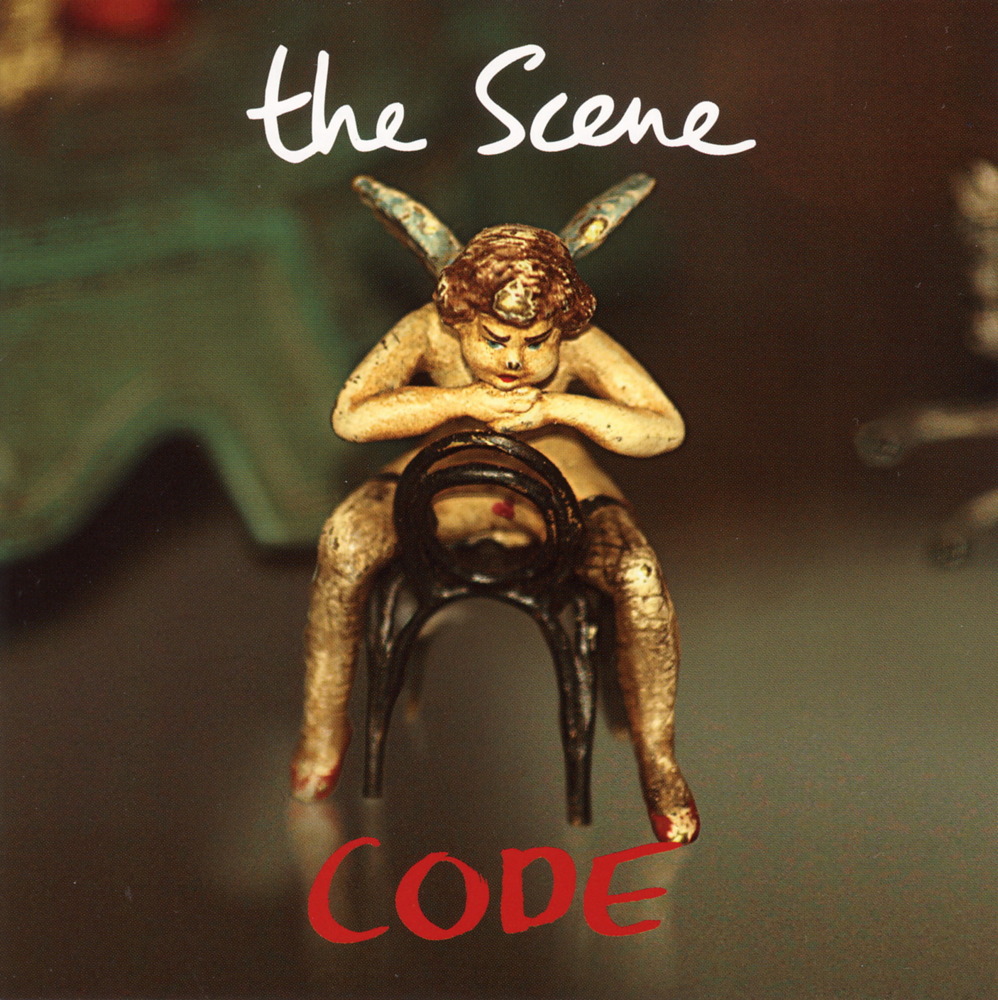
 View Artist