Song Meaning
The lyrics paint a picture of profound disillusionment, where the speaker observes a world that continues its monotonous, unfulfilling cycle. There's a sense of resignation, as if any attempt at change or expression is futile, met with indifference or even mockery from an unseen "they." The repeated phrase "it all goes on" underscores this feeling of inescapable routine and lack of progress, while the laughter of others serves as a stark contrast to the speaker's internal state.
The central tension lies in the ironic invocation of a "perfect day." This phrase, repeated with a weary tone, seems to mock the very idea of happiness or fulfillment. The narrator explicitly states, "Don't need no one to tell me what I don't already know," suggesting a deep-seated cynicism and a rejection of external validation or comfort. The world described is one of "no high times, always flat," where even venturing out carries a risk of permanent absence, amplifying the hollowness of the supposed "perfect day."
The most striking aspect of the craft is the stark contrast between the seemingly upbeat, almost celebratory phrase "perfect day" and the bleak, oppressive reality depicted. The lyrics present a world where individuals are passive, lacking "social rights," and where joy is impossible, as evidenced by "It's all so funny I can't laugh." This deliberate juxtaposition creates a powerful sense of irony, highlighting the speaker's alienation and the perceived absurdity of their circumstances.
Ultimately, the effectiveness of these lyrics stems from their raw, unvarnished portrayal of despair. The narrator's final declaration, "I need nothin', / Don't want no one / I don't need nothin', nothin' at all," isn't a statement of contentment, but a defense mechanism born from profound disappointment. It's the sound of someone who has given up on expecting anything more, finding a bleak sort of peace in absolute detachment.
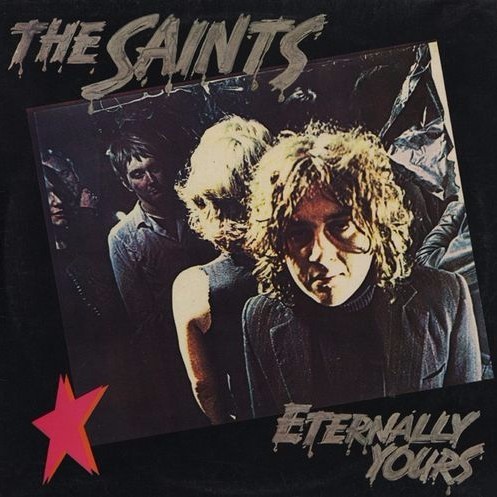
 View Artist