Song Meaning
The lyrics paint a stark picture of someone overstaying their welcome, their presence becoming increasingly unwelcome and nonsensical. The opening lines hammer this point home with insistent repetition: "It's becoming very clear / What you're doing here." This isn't a gentle nudge; it's a direct confrontation, suggesting a situation has reached a breaking point. The narrator feels a growing certainty that the other person's actions are out of place and that they need to leave.
The imagery shifts to a more abstract, almost dreamlike state with "Rubies and pearls / The treasure of the nights." This could represent fleeting pleasures or material possessions that are ultimately hollow. The "figures of ice" in an "open room" suggest a cold, transient beauty that offers no real warmth or substance. The repeated offer, "You can have them all," feels like a dismissive gesture, implying these superficial rewards are worthless to the narrator, or perhaps that the other person is fixated on them to their own detriment.
The tension escalates as the narrator directly addresses the other person's mental state: "You cracked up / Your brain collapsed." This isn't just about overstaying; it's about a complete breakdown, a failure to cope. The phrase "It passed the time / And it filled the gaps" hints at a desperate attempt to cope or distract, but ultimately, it wasn't enough. The repeated "You couldn't take it" underscores a profound inability to endure whatever reality they were facing, leading to this unraveling.
What makes these lyrics so potent is the directness and the stark contrast between the initial, almost polite, insistence on leaving and the later, brutal assessment of mental collapse. The repetition isn't just for emphasis; it mimics the obsessive nature of the situation, the inability to move past a certain point. The final, almost perfunctory "Don't cry" feels less like empathy and more like a final, weary dismissal, highlighting the emotional distance that has grown between the two.
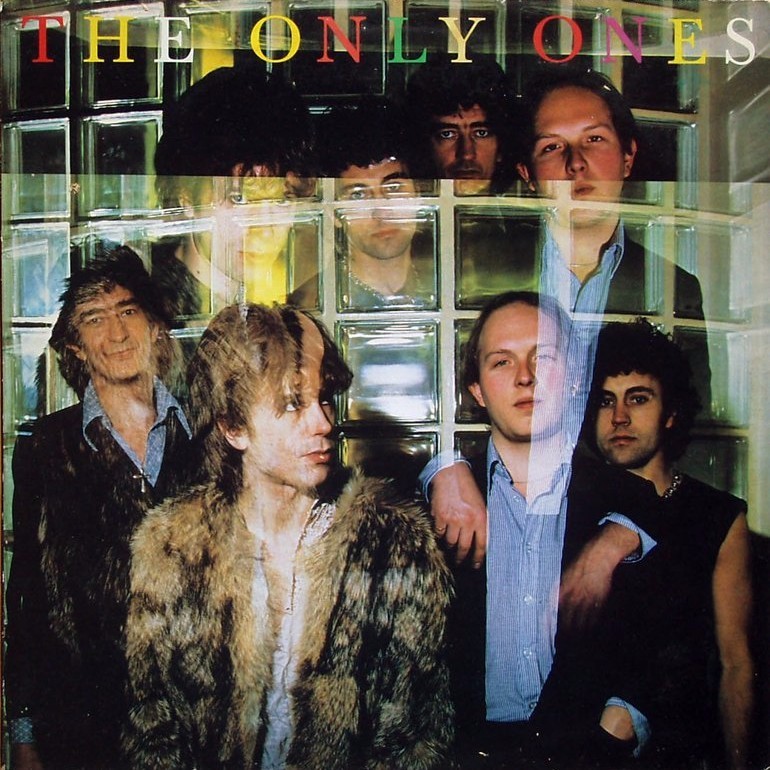
 View Artist