Song Meaning
The narrator opens with a cynical dismissal of his wife's definition of "true love," immediately establishing a tone of detached amusement and disbelief. He acknowledges her insight into his character but frames her pronouncements as "morbid hysteria," a phrase that highlights his deliberate refusal to engage with emotional sincerity. This sets up a dynamic where his perception clashes with hers, and he seems to find a perverse humor in the situation, even as he admits she knows him well.
The lyrics then shift to a peculiar description of his wife, calling her a "mannequin" with a "soigné thing to do." This imagery suggests a cold, perhaps artificial, elegance that he finds both intriguing and frustrating. The phrase "almost lost ya" hints at a past crisis or threat to the relationship, yet his reaction is not one of deep concern but rather a detached observation that her "I don't mind / Passing time this way." This reveals a core tension: a relationship that seems to be teetering on the edge, met with a passive, almost bored, acceptance from the narrator.
The most striking turn comes with the stark contrast between "Daily love so gaily" and the subsequent bleak imagery. The narrator admits to crying "alone tonight" and expresses a disturbing wish for his wife to be "stuck at home with a kid, it's frightening." This reveals a deep-seated resentment and a desire to see her trapped in a domesticity he clearly despises, a stark counterpoint to the superficial "gaily" love he claims to experience. His final boast, "You know I'm faster than lightning," feels less like a sign of strength and more like a desperate assertion of his ability to escape or outmaneuver any emotional entanglement or domestic obligation.
This lyrical construction effectively conveys a narrator who is emotionally stunted and deeply cynical about love and commitment. The humor is dark and self-aware, but it masks a profound dissatisfaction and a cruel streak. The effectiveness lies in the jarring juxtaposition of superficial politeness and underlying malice, making the listener question the narrator's true feelings and the stability of the relationship he describes.
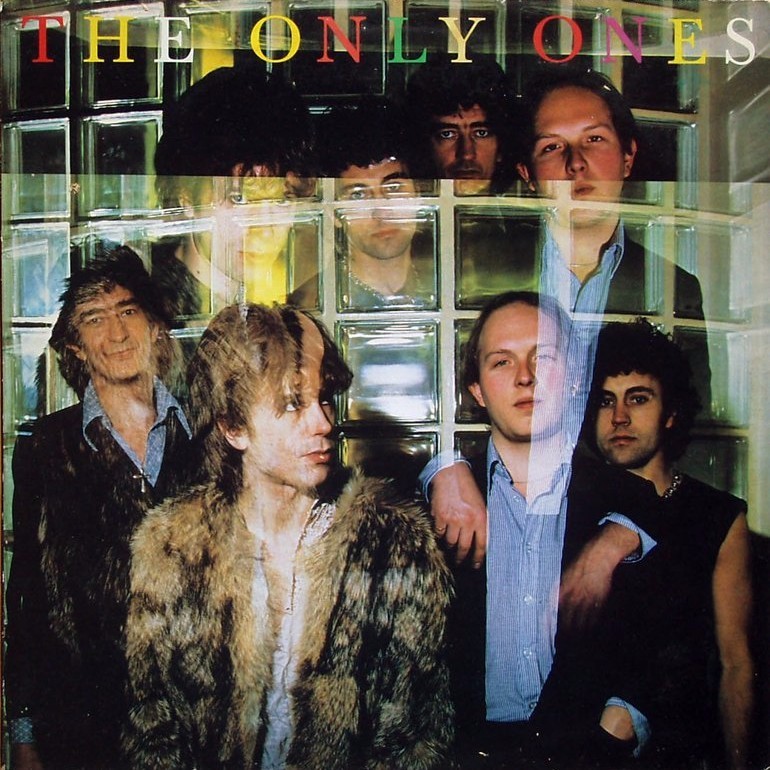
 View Artist