Song Meaning
The lyrics paint a stark picture of societal division and helplessness. The opening lines immediately establish a sense of being lost and confined, trapped "in the grey" and "in the blue" – colors that suggest a muted, perhaps melancholic or indifferent, existence. This isn't a vibrant world, but one where clear distinctions are blurred, except for one glaring truth: "the poor are poor / And the rich are rich." This simple, almost brutal, observation highlights an unyielding economic chasm.
The narrator grapples with a profound sense of powerlessness, repeatedly asking "What can I do / What can I say?" This refrain underscores a feeling of being unable to effect change or even articulate a meaningful response to the harsh realities presented. The idea of building "a fallout shelter" suggests a desire for personal escape and protection from external chaos, a retreat into isolation rather than a confrontation of the societal issues.
The repetition of "We live in a wilderness" is particularly striking. It transforms the abstract concept of societal division into a tangible, primal environment. This wilderness isn't just about economic disparity; it implies a lack of guidance or order, a place where people are left to fend for themselves without clear direction, as evidenced by the line "No one knows what time it is." The shift from "grey" to "blue" in the final stanza might suggest a deepening of this existential malaise, moving from a dullness to a more profound, perhaps sorrowful, state of being.
Ultimately, the effectiveness of these lyrics lies in their directness and the raw emotional honesty of the narrator's bewilderment. The simple, declarative statements about wealth and poverty, coupled with the repeated questions of futility, create a powerful sense of resignation. The imagery of a "wilderness" and a "fallout shelter" amplifies the feeling of isolation and the lack of collective solutions, leaving the listener with a lingering sense of unease about the state of things.
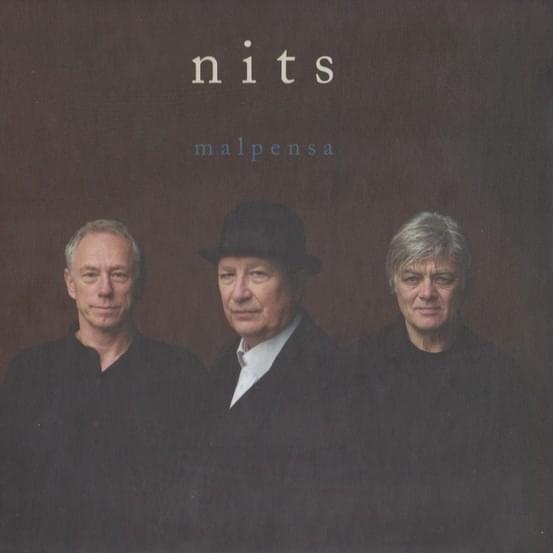
 View Artist