Song Meaning
The lyrics paint a stark contrast between two distinct scenes, immediately establishing a mood of isolation and memory. The first verse plunges us into a "winter in Berlin," with "weisse Strassen, weisse Nächte" setting a cold, almost surreal urban landscape. A solitary man walks through the snow, disappearing into the "schwarze Winternacht," suggesting a sense of anonymity and perhaps a deliberate withdrawal from the world. The imagery of "Nacht und Nebel" as his friends further emphasizes this solitary, almost clandestine existence.
The narrative then shifts abruptly to "Sommer in Wuppertal," introducing a female presence. She is depicted in the "Schwebebahn," the suspended railway, with the sun illuminating her face as she sits by the window. This scene feels more immediate and sensory, a stark departure from the man's wintry anonymity. Yet, despite the bright summer setting, the lyrics reveal her internal state: "Am Ende denkt sie nur an ihn," anchoring her experience to the memory of the man from the Berlin scene.
The recurring phrase "Deine Stimme" acts as a powerful, almost spectral thread connecting these disparate moments and characters. It appears after both the Berlin and Wuppertal vignettes, suggesting that the man's voice, or perhaps the memory of it, is what bridges the temporal and spatial gaps. The lyrics also weave in historical context with "John F Kennedy und Willy Brandt" and later "Adenauer und Willy Brandt," alongside the potent image of "eine Mauer," grounding the personal reflections in a specific, divided era. This historical backdrop amplifies the sense of separation and longing.
Ultimately, the effectiveness of these lyrics lies in their evocative, impressionistic strokes. The juxtaposition of cold, dark Berlin with sunny Wuppertal, the solitary man and the woman lost in thought, and the persistent echo of "Deine Stimme" create a profound sense of yearning and connection across distance and time. The lyrics suggest that even amidst significant historical division, personal memories and the resonance of a voice can create an intimate, albeit melancholic, shared space.
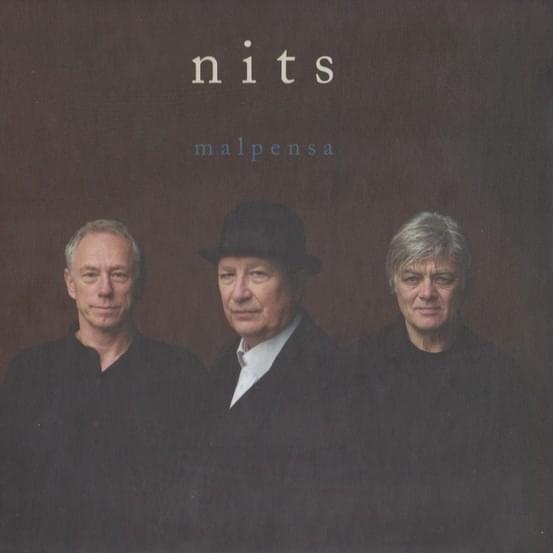
 View Artist