Song Meaning
The narrator is desperately pleading to accompany someone, fearing the emotional void their departure would create. The opening lines are a torrent of urgent affirmations: "Let me go with you, don't leave me, I'll miss you, I love you." This isn't a casual request; it's a raw, immediate expression of dependence and a fear of being left behind. The narrator frames their desire to stay not as a choice, but as a necessity, asking, "Don't make my heart believe it's wrong, tell me you want me too." This highlights a deep insecurity about their own worthiness and the precariousness of the connection.
The central conflict is the narrator's profound fear of loneliness, explicitly stated as being "scared of the blues." This isn't just sadness; it's a paralyzing dread of the emotional emptiness that separation would bring. The repeated plea, "Let me go with you, don't leave me, I'll miss you," underscores this terror, painting a picture of someone clinging to another person to avoid a devastating internal state. The narrator seems to equate the other person's presence with their own emotional survival.
The lyrics employ a striking contrast between the desire for closeness and the fear of rejection. The narrator offers unwavering devotion: "I'll never let you get lonesome," and "my love is yours when you need someone." Yet, this devotion is fueled by a self-preservation instinct, a need to avoid the pain of absence. The phrase "craving the love I'd miss" reveals that the fear of loneliness is so intense, the narrator would rather endure a potentially unfulfilling role, like being an "old standby," than face the prospect of missing out on love altogether.
This lyrical construction is effective because it captures the visceral, almost primal fear of abandonment. The direct, unadorned language, especially in the chorus, bypasses intellectualization and hits straight at the gut. The repetition of "scared of the blues" acts like a mantra of dread, emphasizing the overwhelming nature of this emotion. The narrator's vulnerability is laid bare, making their plea for connection feel urgent and deeply human.
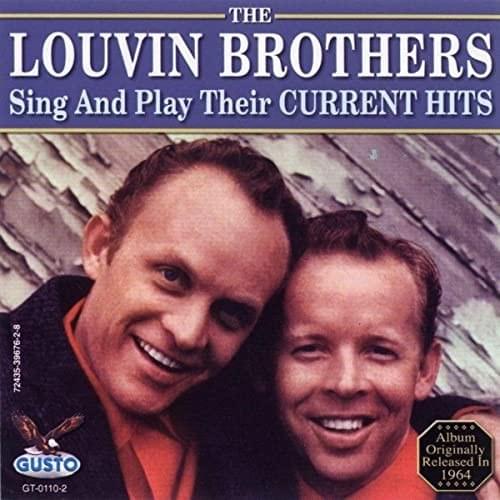
 View Artist