Song Meaning
This track confronts the listener with a stark, almost accusatory, spiritual audit. It’s less a gentle invitation and more a forceful interrogation about one's readiness for the afterlife. The opening lines immediately frame the listener as potentially flawed, questioning pride and a perceived distance from divine grace. The core of the message is a direct, unvarnished challenge: "Are you afraid to die?" It’s a question designed to provoke introspection, pushing past superficialities to confront ultimate anxieties.
The central tension lies in the stark dichotomy between salvation and damnation, framed through the lens of fear. The lyrics present a clear choice: embrace faith and find solace, or remain lost and face divine judgment unprepared. The repeated plea to "Kneel with your mother" and "Stray not from her side" suggests a yearning for comfort and guidance, perhaps a return to simpler, more innocent faith. Yet, this is juxtaposed with the ominous warning of God's imminent arrival, "like a thief in the night," amplifying the urgency and the stakes.
The most striking aspect of the writing is its relentless, almost hypnotic repetition of the central question, "Are you afraid to die?" This refrain acts as a constant hammer blow, ensuring the listener cannot escape the core inquiry. The lyrics also employ a series of direct, challenging questions like "Are you a stranger to God?" and "Are you too wicked to cry?" These aren't rhetorical; they demand an honest self-assessment, forcing a confrontation with one's own perceived failings and spiritual standing.
The effectiveness of these lyrics stems from their unflinching directness and the palpable sense of urgency they create. By stripping away complex theology and focusing on a primal fear, the song taps into a universal human concern. The simple, declarative questions and the insistent repetition make the message impossible to ignore, compelling a visceral reaction and a deep, perhaps uncomfortable, self-examination of one's spiritual preparedness.
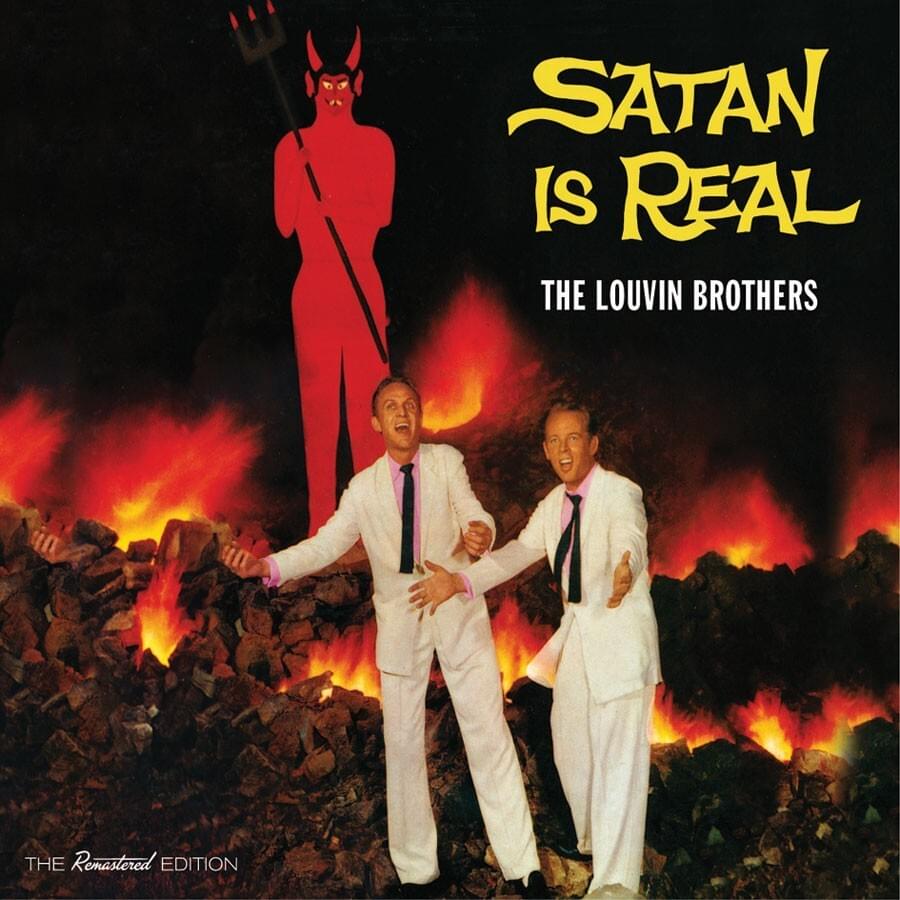
 View Artist